


The size of a man’s areolas might not seem like something worth thinking about until it becomes the first thing he notices every time he takes off his shirt. Enlarged areolas can make the chest look disproportionate, puffy, or feminized, even when there is no excess breast tissue underneath. For men who have been through gynecomastia surgery, significant weight loss, or simply have a genetic predisposition to larger areolas, the issue can be surprisingly persistent and bothersome.
Areola reduction surgery is a targeted procedure that reshapes and resizes the areola to bring it into better proportion with the surrounding chest. It is one of the more straightforward cosmetic surgeries available, but getting a natural-looking result requires a surgeon who understands the specific anatomy of the male chest.
Dr. Babak Moeinolmolki, MD, is dual board-certified by the American Board of Cosmetic Surgery and the American Board of General Surgery. His Los Angeles practice focuses on male chest procedures, and areola reduction is one of the procedures he performs most frequently, either on its own or as part of a more comprehensive gynecomastia correction.
Why men seek areola reduction
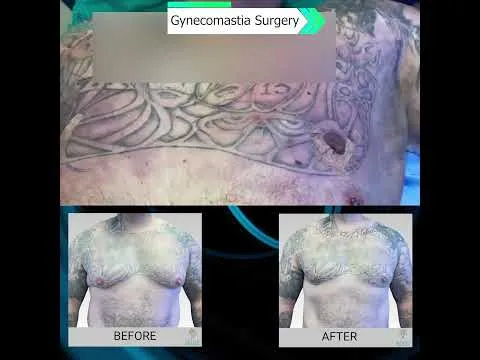
There are several reasons a man might end up with areolas that feel too large for his frame. Understanding the cause helps determine the best approach to correction.
Genetics are often the simplest explanation. Some men are born with areolas that are proportionally larger relative to their chest. The average male areola diameter falls between 2.5 and 3 centimeters. Men who measure 3.5 centimeters or more often notice that their nipple area looks wider or more prominent than they would like, particularly when the chest is lean.
Gynecomastia, both before and after surgery, can affect areola size. When breast tissue pushes outward beneath the nipple, it stretches the areola over time. Even after the underlying tissue is removed through gynecomastia surgery, the stretched areola may not fully retract on its own. This is one of the most common reasons men request areola reduction as a secondary procedure.
Weight loss is another contributing factor. Men who have lost significant weight often find that the skin across the chest has loosened, and the areola has stretched along with it. The areola is skin, and it responds to expansion and contraction the same way skin does elsewhere on the body.
Aging and natural skin laxity play a role as well. Over decades, collagen and elastin in the skin gradually break down, and the areola can widen and flatten as a result.
Some men deal with puffy nipples where the areola puffs outward from the chest surface without significant glandular tissue behind it. In these cases, the puffiness is related to the areolar skin itself and the thin layer of tissue directly beneath it. Areola reduction can address this appearance effectively.
How areola reduction surgery works
The procedure uses what is called a periareolar incision technique. The surgeon marks two concentric circles around the nipple. The inner circle defines the new, smaller areola boundary. The outer circle follows the existing edge of the areola. The donut-shaped ring of skin between the two circles is removed.
After removing the excess skin, the surgeon brings the outer skin edge inward to meet the new areola boundary and closes the incision with sutures. The resulting scar sits right at the junction between the areola and the surrounding chest skin. Because there is already a natural color and texture transition at that border, the scar tends to blend in well once healed.
A purse-string suture technique is commonly used to gather the surrounding skin evenly and prevent pleating or irregularity along the incision line. This is a technical detail that makes a real difference in the final appearance. Done well, the closure creates a smooth, round areola border. Done poorly, it can result in a scalloped or uneven edge.
The procedure typically takes between 45 minutes and an hour per side. It can be performed under local anesthesia for patients who prefer to avoid general anesthesia, though the option for sedation or general anesthesia is available depending on patient preference and whether other procedures are being done at the same time.
Combining areola reduction with other procedures
Areola reduction works well as a standalone procedure, but it is frequently combined with other chest surgeries for a more complete result.
When performed alongside gynecomastia surgery, the areola can be reduced at the same time the glandular tissue and excess fat are addressed. This saves the patient from needing a second surgery down the road. Dr. Babak Moeinolmolki often recommends this combined approach because addressing the areola during the initial surgery produces a better overall chest contour than staging the procedures separately.
For patients with mild skin laxity around the areola, Renuvion skin tightening can be used as a complement to areola reduction. Renuvion delivers helium plasma energy beneath the skin to promote tissue contraction, which can improve the tightness of the skin surrounding the newly sized areola.
Male nipple reduction is another procedure that can be performed simultaneously. Some men want both the areola and the nipple projection reduced for a flatter, more masculine chest profile. These are separate techniques that address different anatomical features, but combining them in one session is routine.
Who is a good candidate
The best candidates for areola reduction are men who have proportionally large areolas relative to their chest size and are otherwise in good general health. Ideal candidates have realistic expectations about the outcome. The goal is a more proportionate areola, not a specific arbitrary size. The final diameter is chosen based on each patient’s individual chest width, body frame, and aesthetic preferences.
Men whose areola enlargement is primarily due to skin laxity (rather than underlying glandular tissue) tend to get the most straightforward results from this procedure alone. Those who also have excess breast tissue or fat beneath the areola will likely benefit from a combined approach that addresses the deeper tissue as well.
Patients should be at or near a stable weight before surgery. Significant weight fluctuations after areola reduction can stretch the skin again, potentially affecting the long-term result.
Recovery after areola reduction
Recovery from areola reduction is relatively short. Most patients return to desk work within 2 to 3 days and resume light exercise within 2 weeks. Strenuous upper body exercise should be avoided for about 4 weeks to allow the incision to heal without tension.
A compression garment is typically worn for the first 1 to 2 weeks. The compression helps reduce swelling and supports the tissue as it heals in its new position. Sutures are either absorbable or removed at a follow-up appointment around 7 to 10 days after surgery.
Swelling and mild bruising around the areola are normal during the first week. The areola may look slightly irregular or puckered during early healing because of the purse-string suture technique. This smooths out as the tissue settles over the following weeks.
Sensation changes in the areola are possible but usually temporary. Most patients report that normal sensation returns within a few weeks to a few months. Permanent sensation loss is uncommon with this procedure when performed by an experienced surgeon.
Scars and long-term results
The scar from areola reduction sits at the natural border between the areola and the chest skin. During the first few months, it may appear pink or slightly raised. Over 6 to 12 months, it typically fades to a thin, pale line that is difficult to see, especially since it follows the natural color transition between the darker areola and the lighter surrounding skin.
Silicone scar sheets or gels can help optimize healing. Sun protection over the incision site during the first year is important to prevent hyperpigmentation. Dr. Babak Moeinolmolki, MD, provides each patient with specific scar care instructions tailored to their skin type.
Patient satisfaction with areola reduction is consistently high in published surgical literature. A Mayo Clinic overview of breast reduction techniques discusses periareolar approaches and their favorable aesthetic outcomes. When the procedure is performed correctly, the result looks natural and proportional.
Cost of areola reduction surgery
The cost of areola reduction varies depending on whether it is performed as a standalone procedure or combined with gynecomastia surgery or other chest procedures. Standalone areola reduction under local anesthesia is generally less expensive because it does not require an anesthesiologist or extended operating room time.
When combined with gynecomastia surgery, the incremental cost of adding areola reduction is typically modest compared to the cost of the primary procedure. Dr. Moeinolmolki’s office provides detailed pricing during the consultation after evaluating each patient’s specific anatomy and goals.
Insurance typically does not cover areola reduction when it is performed for cosmetic reasons. However, if the enlarged areola is a result of a medically documented condition, some plans may offer partial coverage. The office team can help navigate insurance questions on a case-by-case basis.
Frequently asked questions about areola reduction for men
What is the normal areola size for a man?
The average male areola diameter is approximately 2.5 to 3 centimeters. However, there is a range of normal variation. Men who feel their areolas are disproportionately large relative to their chest are candidates for reduction regardless of the exact measurement. The decision is based on proportion and personal preference rather than a strict numerical cutoff.
Will areola reduction affect nipple sensitivity?
Temporary changes in sensation are possible after the procedure, but permanent loss of nipple sensitivity is uncommon. The nerve supply to the nipple runs deep to the tissue that is removed during areola reduction, so it is typically preserved. Most patients report normal sensation within a few weeks to a few months.
How long do the results last?
The results of areola reduction are considered permanent. The excised skin does not grow back. However, significant weight gain, hormonal changes, or aging can gradually affect the surrounding skin over time. Maintaining a stable weight helps preserve the result long-term.
Can I have areola reduction without gynecomastia surgery?
Yes. Areola reduction is frequently performed as a standalone procedure for men whose only concern is the size of their areolas. If there is no excess breast tissue or fat beneath the areola, the reduction alone is sufficient. During the consultation, Dr. Moeinolmolki evaluates whether additional tissue removal would improve the overall result.
What does the scar look like?
The scar is a thin line that sits at the border between the areola and the chest skin. Because this border already has a natural color transition, the scar tends to camouflage well as it matures. By 6 to 12 months after surgery, most patients find the scar is barely visible.
How soon can I work out after areola reduction?
Light lower body exercise can usually resume within 2 weeks. Upper body workouts, especially exercises that engage the chest muscles like bench press or push-ups, should be avoided for about 4 weeks. Dr. Moeinolmolki provides a specific return-to-activity timeline based on how each patient is healing at their follow-up visits.