


Table of Contents
Considering treatment? Learn about gynecomastia surgery in Los Angeles with double board-certified cosmetic surgeon Dr. Babak Moein.
Understanding Teen Puffy Nipples
Many teenagers may notice changes in their bodies, some leading to unusual sources of insecurity, and one such condition is puffy nipples. This condition may be caused by a number of reasons, some of which include hormone changes in puberty, among other factors.
It is important to understand the cause of puffy nipples, as they can be associated with conditions such as gynecomastia, among others, and can cause emotional distress to the individual. In addition, understanding the signs, symptoms, and treatment options can assist in dealing with the condition effectively.

Causes of Teen Puffy Nipples
Adolescents may notice changes in their bodies as they grow. One notable change is the development of puffy nipples. This can be due to different reasons, and it’s important to understand each one.
Understanding Gynecomastia
Gynecomastia is a medical condition where boys or men develop excess breast tissue. This leads to nipple puffiness and can occur during puberty. It happens because of hormonal changes that increase glandular tissue in the chest.
Hormonal Imbalances
Hormonal imbalances play a big role in nipple development. During adolescence, hormone levels fluctuate. Sometimes, the body produces more estrogen, which can cause breast tissue to grow. This leads to puffy nipples in teens.
Role of Steroid Use
Some young athletes use steroids to build muscle. However, these can affect hormones and lead to breast enlargement. Steroids may cause the body to convert testosterone into estrogen, increasing fatty tissue around the chest.
Other Contributing Factors
Several other factors can contribute to puffy nipples:
- Excess body fat: Having extra fat around the male chest makes the nipple look puffy.
- Diet: High fat diet may raise body fat and cause this condition.
- Medications: Some medications can influence hormone production in the body, causing puffy nipples.
In some instances, puffy nipples may resolve by themselves. For cases that persevere, a plastic surgeon may provide solutions through nipple surgery and correction. Healthy eating and regular exercise can also help regulate hormones to eliminate puffy nipples.
Signs and Symptoms of Teen Puffy Nipples
Puffy nipples or gynecomastia in teens Causes can be varied and are usually associated with the onset of puberty. It is important that the signs and symptoms are identified.
Physical Appearance
In addition, teens experiencing swollen nipples might observe a change in the look of their breast tissue. Actually, the nipple as well as the surrounding skin, referred to as the areola, seems swollen or full of breast tissue. This could be because of an increase in either breast tissue or glandular tissue. Despite appearing to have swollen breasts, this condition may occur in both males and females. Fatty tissue could be another cause of the swelling.
Related Discomfort or Pain
The teens may notice some tenderness or soreness within the nipples. This tends to be especially true when the area is touched or pressed. Even though this may be a common thing during puberty, should the soreness is too severe or chronic, medical attention should be sought. The imbalance or change in hormones could be the reason behind the soreness. It may be ideal to consider a diet that cuts down on fats and boosts overall fitness to manage the high levels of testosterone.
Diagnosis of Gynecomastia in Teens in Los Angeles, CA
Medical Evaluation
A medical examination is the initial approach in diagnosing gynecomastia. The doctor investigates the chest to determine whether the condition affects glandular or fatty tissues. Moreover, the doctor examines the area to see whether there are lumps or if it’s tender to the touch. The doctor inquires about past medical issues, drug use, and possible exposure to substances that can trigger hormonal imbalances.
Here is a simple checklist for a medical evaluation of gynecomastia:
- Physical examination of the breast area
- Medical history review
- Discussion of any symptoms
- Assessment of medications and supplements
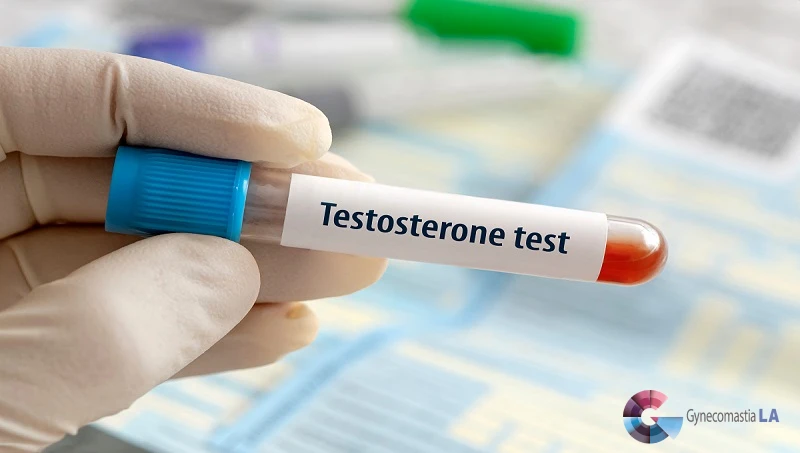
Hormonal Testing
Hormonal testing can help prove the diagnosis of gynecomastia. Blood tests can be used to check the levels of certain hormones such as testosterone and estrogen. An imbalance could be a sign of underlying health issues. In some instances, a full panel test may be required.
Key hormones to test include:
- Testosterone: Low levels can lead to gynecomastia.
- Estrogen: Excess estrogen might cause breast tissue growth.
- Thyroid hormones: Thyroid imbalances can influence hormone levels.
By conducting these tests, doctors can determine if hormonal imbalances are responsible for gynecomastia and plan an appropriate treatment strategy.
Treatment Options For Teen Puffy Nipples

Puffy nipples, typically associated with teenagers and adults, can be caused by gynecomastia, hormonal imbalance, and excessive accumulation of fat. However, there are a number of treatments for puffy nipples that range in scale from gynecomastia home remedies to puffy nipple correction surgery. Depending on individual requirements and reasons for experiencing gynecomastia, the most effective treatment can be chosen.
For those seeking alternative treatments that do not require surgical procedures, self-care practices for puffy nipples include lifestyle changes like exercise for gynecomastia, eating a balanced diet, and regulating one’s hormones. But for those who are not satisfied with these methods, gynecomastia surgery will prove to be the most effective way.
The price of teen puffy nipple surgery depends on different considerations such as the experience of the surgeon and the type of gynecomastia surgery that is performed.
Lifestyle Modifications
Lifestyle changes may help in some cases in reducing the swelling around the nipples. A healthy lifestyle can help make a difference in overall body composition. This may include cutting down on unwanted body fat. Exercise and eating healthy food can be important factors in that case.
Exercise Tips
Exercise may help tone the muscles of the chest, including minimizing the amount of breast tissue. Exercises that will prove useful include push-ups, chest presses, or even swimming. It is important to warm-up before exercising, then exercise for stronger muscles.
Dietary Recommendations
A low-fat diet helps manage swollen nipples. Cutting back on saturated fats is a key for managing hormones. Eat lots of vegetables, raw fruits, and grains. Drinking lots of water is also effective, instead of consuming sweet drinks.
Supplements That May Help Gynecomastia
Certain supplements might aid in reducing breast enlargement. Omega-3 fatty acids and Vitamin D can support hormonal balance. However, consult with a healthcare provider before starting any new supplements. They can advise on the best options and appropriate dosages.
Surgical Intervention For Teen Gynecomastia
For individuals seeking even drastic results, surgical alternatives are accessible. Nipple correction surgery deals specifically with problems of gland and fat tissues. The cosmetic surgeon can evaluate the situation and determine what type of surgery is required. The chosen procedure may guarantee faster outcomes compared to other natural approaches. It is important that each method be carefully considered and that professional advice be sought for optimal results.
Managing Teen Puffy Nipples for Athletic Teens
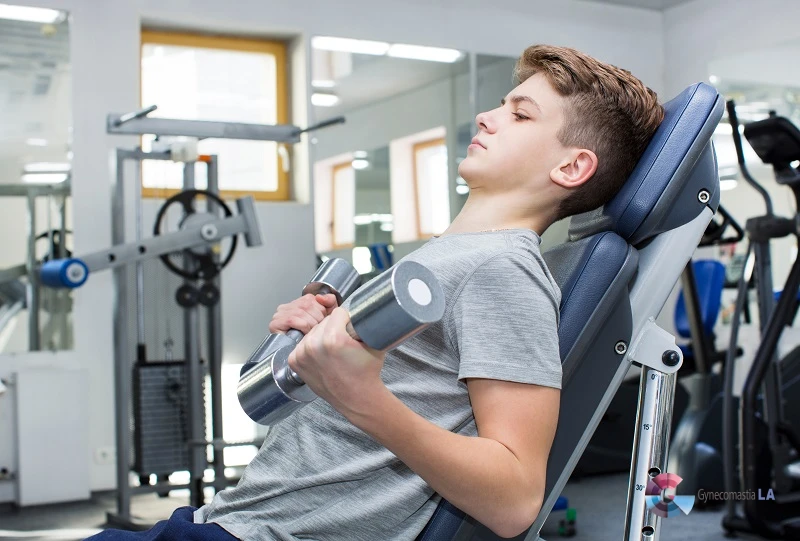
Nipples in teens can pose a concern to most teens, including those who engage in sports activities. The condition happens when there is extra tissue in the breasts near the nipples. It can form confidence issues in teens, along with affecting their performance in sports activities. Knowledge on how to avoid nipple swelling in teens is critical to those teens who wish to concentrate on performing in their sport activities.
Unique Challenges for Athletes
Athletic teenagers face their own set of challenges in managing puffy nipples. Engaging in physical exercises can accentuate this condition, leading to embarrassment. Tight-fitting exercise clothes can accentuate puffiness. Furthermore, having glandular tissue can be even more evident in slimmer bodies because there will be less fatty tissue to camouflage the glandular protrusions.
Sportsmen can also develop hormonal imbalances resulting from their intense workouts, which can affect their testosterone levels, thereby contributing to nipple swelling. Therefore, it is very important for young sportsmen to treat this problem to ensure confidence and ease in their activities.
Final Thoughts: Teen Puffy Nipples
Teens can take several approaches to manage teen puffy nipples effectively:
- Exercise: Doing some chest muscle toning, such as push-ups or bench presses, might help alleviate the prominence of puffy nipples.
- Diet: To reduce the excessive body fats that cause the condition, a low-fat diet should be maintained. Proper nutrition also leads to good hormonal balance.
- Clothing Choices: Wearing loose-fitting or thoughtfully designed sportswear can help to disguise puffy nipples.
- Medical Consultation: If the puffy nipples present any difficulty or discomfort, consulting a medical professional or a plastic surgeon would be the best option. Nipple correction surgery may be suggested in serious cases.
- Support Systems: Being around supportive friends, family, or coaches can certainly be helpful for teens who struggle with managing the emotional part of this condition.
By implementing these strategies, teens can ease the impact of puffy nipples and stay focused on their athletic pursuits.
Effectively managing puffy nipples in teenagers requires a combination of lifestyle changes and professional guidance. While exercises targeting gynecomastia can help build chest muscles and maintaining a healthy diet may reduce excess body fat, these methods are not always sufficient on their own. For persistent cases, particularly those classified as Gyno Type 1, Gyno Type 2, Gyno Type 3, and Gyno Type 4, surgical intervention may be the best option.
Understandinghow long gynecomastia lasts depends on its severity and the individual’s response to treatment. Some cases resolve with puberty, while others require medical intervention. If puffy nipples cause significant distress, consulting an experienced gynecomastia surgeon is crucial.
Dr. Moein, a leading gynecomastia specialist in Los Angeles, offers advanced surgical techniques to correct puffy nipples and restore a masculine chest contour. If you’re seeking an expert opinion, schedule a consultation today by filling out our contact form or calling (310) 861-3799.
* Illustrative images on this page are models, not actual patients. Real patient results are shown in our Before & After gallery.
Dr.Babak Moeinolmolki
LA Cosmetic Surgeon Dr. Moein is board-certified by the American Board of General Surgery.