



Before & After Gynecomastia Surgery Los Angeles
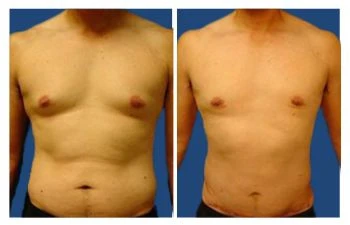
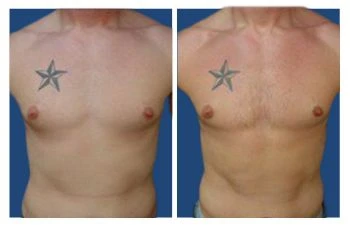
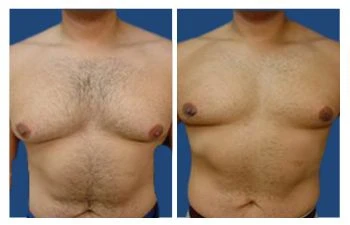
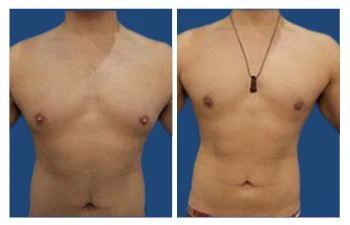
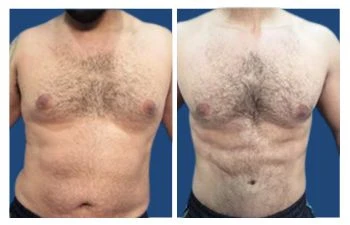
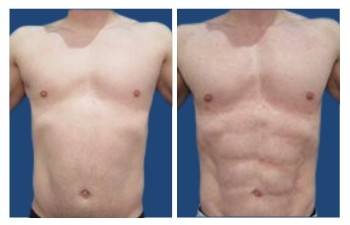
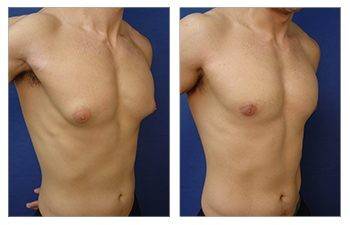
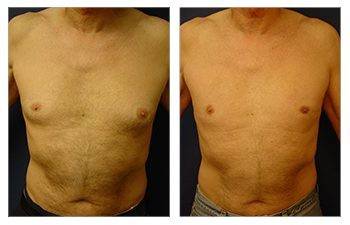
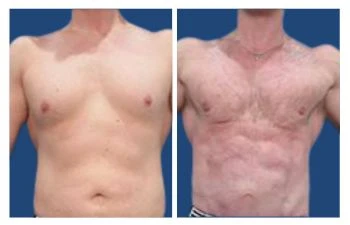
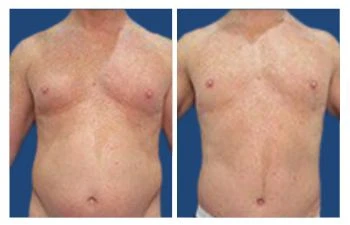
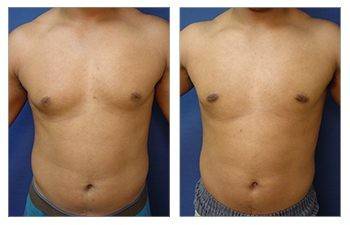
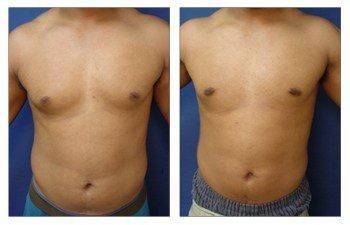
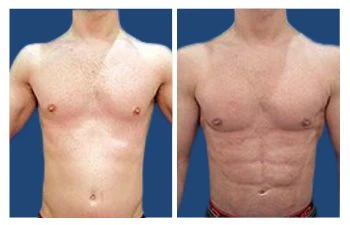
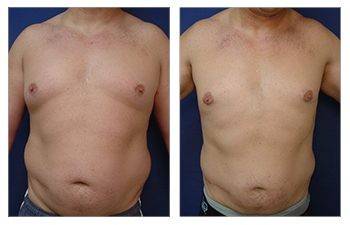
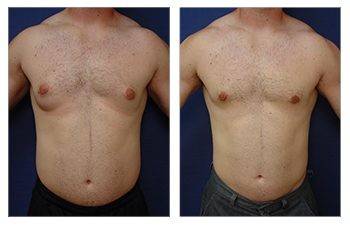
What is Gynecomastia Surgery?
Gynecomastia surgery is a procedure that can help individuals who are suffering from enlarged male breast tissue, often referred to as ‘man boobs.' Hormonal imbalances and other medical conditions can cause this condition, and the treatment may provide relief in terms of physical appearance and emotional well-being. Los Angeles clinics offer expert care and proven results for gynecomastia surgery Los Angeles. In this article, we will explore what gynecomastia surgery entails and how it can benefit those living in Los Angeles seeking corrective measures for their chest area.
The first step in considering any surgical procedure is understanding the details involved. Gynecomastia surgery involves removing excess fat or glandular tissue from the chest area, which is done through liposuction or excision techniques, depending on each patient's individual case. It also features contouring of the remaining skin for a more aesthetically pleasing result. The outcome should look natural without giving away signs of previous cosmetic alterations once healed properly.
Aside from its aesthetic advantages, there are psychological benefits associated with gynecomastia surgery too; some men feel embarrassed because of their enlarged breasts, so they choose to hide them under layers of clothing even during summer activities such as swimming or going to the beach. After they have gone through the process, men have regained their self-confidence and feel able to show their bodies off in the same way anybody else would.
In conclusion, gynecomastia surgery effectively deals with enlarged male breast tissue while providing long-term psychological benefits. Those living in Los Angeles have access to leading doctors specialized in performing these types of procedures with successful outcomes every day; therefore, if you think you might be a candidate for this operation, please seek professional advice before deciding on your health matters.
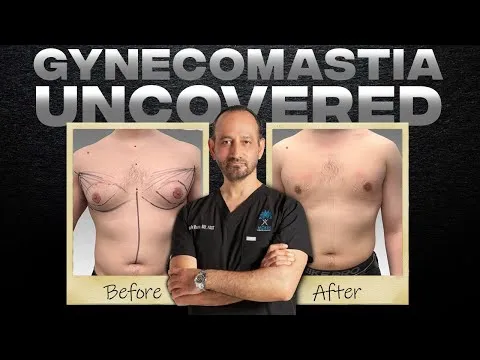
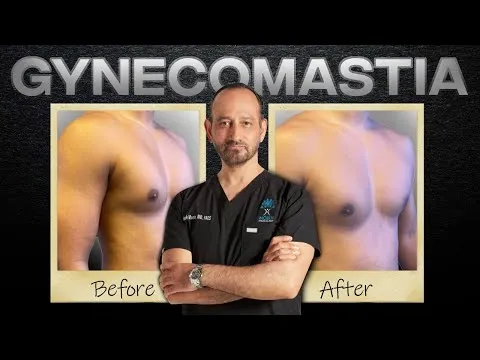
Gynecomastia Treatment Los Angeles, CA
Gynecomastia is a medical condition in which the male breast tissue enlarges abnormally. It's caused by an imbalance between testosterone and estrogen hormones, resulting in excessive growth of mammary glands underneath the nipple area. Pain or tenderness can sometimes accompany gynecomastia. It typically affects men aged 40 to 70; however, it can affect males at any age.
Treatment for gynecomastia includes diet and exercise modifications and medications such as aromatase inhibitors that reduce the amount of estrogen produced in the body. If those approaches are not effective, doctors may recommend surgery. Surgery involves removing excess fatty tissue from around the chest wall while preserving underlying muscle structure and skin elasticity. After surgical intervention, patients should follow up regularly with their doctor to ensure proper healing and prevent recurrence of symptoms.
Types of Gynecomastia Surgery Los Angeles, CA
Normal Gynecomastia
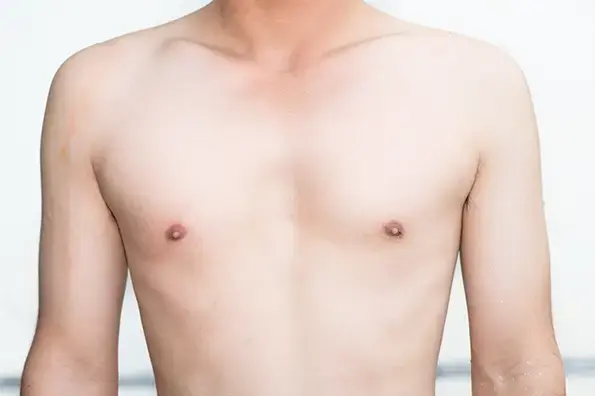
Affects boys in puberty and men over age 65 (Gynecomastia in older men). The usual cause of this type of gyno is a decrease of the male hormone testosterone. The issue of excess breast growth may resolve on its own, but some men may not want to wait the two or so years it takes to disappear. For these men, gynecomastia surgery can offer relief.
Bodybuilders gynecomastia

Typically affects bodybuilders gynecomastia who excessively use anabolic steroids. While some instances of gyno can be treated with Liposuction and other fat-extraction methods, glandular gyno can only be corrected with man boob surgery In & Near Los Angeles.
Adult Gynecomastia
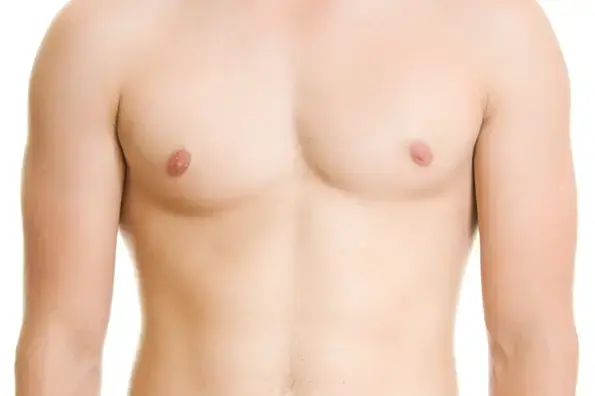
This is the diagnosis given to overweight men within the glandular tissue. Most men with gyno receive this diagnosis. A combination of liposuction and man boob surgery In & Near Los Angeles can resolve this issue. The result will be a flatter and more symmetrical chest area.
Gynecomastia in Teens

Gynecomastia in teens is a common occurrence of male breast tissue that affects around half of all pubescent boys. The growth of male breasts tends to run in the family, but the gyno can be corrected through both surgical and non-surgical means.
Asymmetric Gynecomastia

It can occur on one side of the chest or both. Asymmetrical gynecomastia can make one side of the chest appear larger than the other one. A male mastectomy may be required to remove the breast tissue and restore the chest to more normalized conditions.
Gynecomastia in Overweight Men

It is a condition that affects overweight, formerly overweight, and older men. These men have lost their skin elasticity, which can cause Gynecomastia in older men with skin on their chest area to droop and sag. Otherwise referred to as “Man Boobs” the condition can cause embarrassment even while wearing clothes.
What Causes Gynecomastia?
Statistics show that gynecomastia affects an estimated 40 to 60 percent of men in their lives. Understanding what causes this condition is important, as it can help people identify if they are at risk of developing the disorder and seek treatments.
Various factors cause gynecomastia, including hormone imbalances, obesity, genetics, certain medications, and alcohol or drug use, among other reasons. Where there is an imbalance between testosterone and estrogen levels in males, the decrease in testosterone can cause the development of breast tissue. For example, during puberty, boys may experience temporary gynecomastia because of hormonal changes associated with sexual maturation.
In addition, we have linked some drugs, such as steroids or even marijuana, to causing gynecomastia because they disrupt the body's natural balance of hormones. Diseases like liver cirrhosis could lead to elevated estrogen levels, consequently leading to enlarged male breasts. Obesity also increases one's risk of developing gynecomastia since fat cells produce estrogen. Last, inherited traits from family members could trigger abnormal growth of mammary tissues in men.
Overall, many potential causes contribute to the formation of gynecomastia, making it critical for individuals to be aware of symptom onset and possible contributing factors so that proper medical attention can be sought.
Symptoms of Gynecomastia
Gynecomastia is a medical condition in which the breast tissue of males swells abnormally. It can result from an imbalance of hormones, certain medications, or underlying health conditions. Symptoms may include swelling and tenderness around one or both nipples and nipple discharge. In more extreme cases, the breasts may look swollen with firm, rubbery skin resembling female breasts.
Though gynecomastia often resolves independently without treatment, it's important to consult your doctor if symptoms persist. Your doctor will perform a physical examination and run tests to determine the cause of the enlargement and associated symptoms. Treatment options depend on the severity of your condition but typically involve hormone therapy or surgery.
Diagnosis Of Gynecomastia Los Angeles
In diagnosing gynecomastia, the first step is for a medical professional to take a detailed history and perform an examination. It's important to note that many conditions can cause enlarged or tender breasts in men, so it's essential to rule out some of these other possibilities before confirming the diagnosis. Common findings on physical exam include swelling or enlargement of breast tissue, mild discomfort with touch and palpation, and nipple discharge.
Your healthcare provider may order further testing if the initial evaluation suggests gynecomastia, such as imaging tests (e.g., mammography), hormone blood tests (to check levels of testosterone, estrogen, and other hormones), ultrasound scans, and biopsy procedures. Imaging studies help rule out any underlying pathologies such as tumors, while hormone level tests will determine if hormonal imbalances such as hypogonadism are present, which could contribute to symptoms. Your healthcare provider may order biopsies to rule out malignancy because of suspicious clinical presentation or high-risk factors for cancer. Collectively, all these diagnostic tools provide valuable information about the severity and type of condition being treated, allowing doctors to plan better treatment plans tailored to each patient's needs.
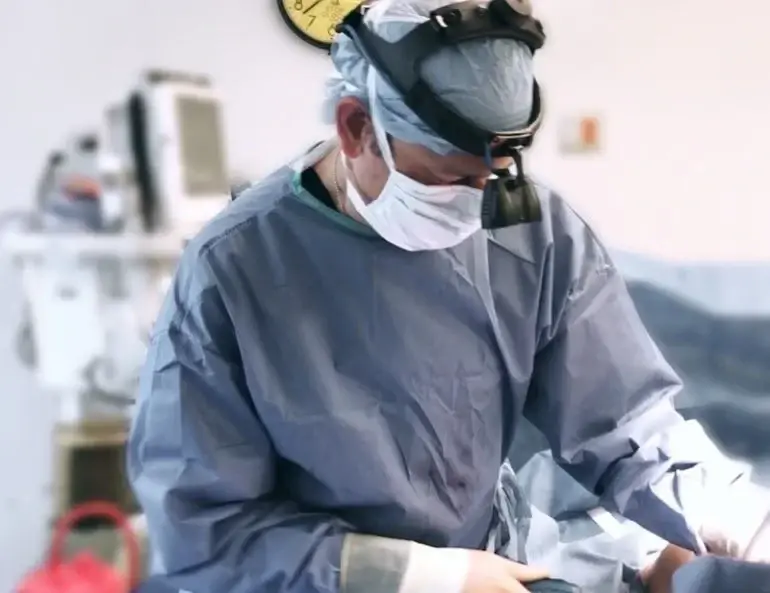
Benefits of Gynecomastia Surgery
Gynecomastia surgery in Los Angeles offers many benefits. Those who undergo the procedure experience improved self-esteem because of a newfound confidence in their appearance. The surgical techniques can reduce or eliminate excess fat and skin, improve chest contours, and provide a more masculine look. The surgical techniques reduce physical discomfort caused by enlarged breasts, such as tenderness, chafing, and back pain, helping patients to achieve increased comfort.
We have also found gynecomastia surgery affects patients psychologically. Studies suggest that men with overly developed chests often feel socially awkward or embarrassed about taking off their shirts in public situations like at the beach or gym locker room. After successful treatment, these individuals can participate in activities without feeling ashamed of their physique - allowing them to live life more freely. Improved quality of life is an added benefit for those who choose to undergo gynecomastia surgery at one of the many clinics in Los Angeles.
Customized Surgical Options for Gynecomastia Surgery in Los Angeles
As the saying goes, “One size does not fit all,” which also holds true for gynecomastia surgery. Different surgical procedures are available to patients in Los Angeles who wish to reduce or eliminate the appearance of enlarged breast tissue. These surgeries range from minimally invasive treatments to more extensive reconstructive techniques.
Liposuction is a common method many surgeons use to remove fat deposits that cause gynecomastia. This procedure uses suction-assisted lipectomy (SAL) to extract excess fatty tissue through small incisions made in the skin. In addition, some surgeons may use a combination of liposuction with excisional removal of glandular tissue for optimal results.
The surgeon can perform a mastectomy to remove excess breast tissues and chest muscles for those with severe cases of enlarged male breasts. This technique involves surgically removing excess breast tissues and chest muscles to create a flatter, firmer chest contour. Reconstruction required will depend on the individual's anatomy, but can often achieve dramatic aesthetic improvements when performed correctly. Patients should always discuss their options carefully with an experienced surgeon before finalizing treatment.
How Much Does Gynecomastia Surgery Cost?
The average cost of gynecomastia surgery is just over $4,000. However, additional expenses such as anesthesia, surgical facility fees, medical tests, post-surgery garments, and medications can add to the overall cost. Liposuction typically costs around $3,500, while VASER Lipo averages about $6,500.
The total cost of your surgery will depend on the type of gynecomastia and the specific procedure. You can receive a personalized estimate during your consultation.
Insurance may not cover gynecomastia surgery, but cash discounts are often available. Medical financing options, like CareCredit and Prosper Healthcare Lending, can also help cover the cost.
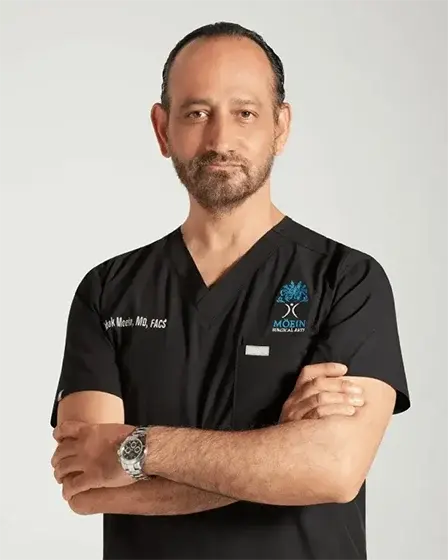
Gynecomastia Surgeon Dr.Moein
Dr. Babak Moeinolmolki, MD, FACS, is one of Los Angeles's leading gynecomastia surgeons with over two decades of experience. As the only surgeon in Southern California with dual specialties in cosmetic aesthetics and minimally invasive body contouring surgery, he is uniquely qualified to diagnose and treat male breast growth in both boys and men. His extensive experience as a bariatric, cosmetic body contouring surgeon, and aesthetic artist allows him to offer a significant advantage in assessing and planning gynecomastia treatment. Male breast growth, affecting about half of all men at some point, is commonly referred to as "man boobs," a condition Dr. Moein effectively treats through both surgical and non-surgical methods. His approach aims to provide patients with a flatter, more natural-looking chest, alleviating the discomfort, tenderness, and embarrassment associated with gynecomastia.
Preparing for Male Breast Reduction Los Angeles
Before undergoing gynecomastia surgery in Los Angeles, discussing the procedure with your surgeon is important. Your doctor will explain what you can expect during and after the operation. They'll advise on preoperative preparation and post-operative care that could help ensure a successful outcome.
It's crucial to follow any instructions provided by your physician before the surgery, as this can reduce risks associated with the procedure. You may need to stop taking certain medications or supplements before the operation and avoid smoking for at least two weeks before and after the surgery. On top of these precautions, it is wise to arrange for someone else to drive you home from your appointment since we may use anesthesia during the treatment.
To maximize results, following all post-operative recommendations is essential. Patients typically require several days off work for recovery and must wear a surgical garment for several weeks afterward. Their medical provider can usually manage any pain experienced during this time through medication. Following these guidelines helps minimize potential problems while promoting healing and optimal outcomes after gynecomastia surgery in Los Angeles.
Risks and Potential Complications of Gynecomastia Surgery
Gynecomastia surgery in Los Angeles is a safe procedure when performed by an experienced surgeon. However, as with any surgical operation, there are potential risks and complications that patients should know before undergoing the procedure. These include bleeding, infection, allergic reaction to anesthesia, scarring, and unsatisfactory aesthetic results. Sometimes, breast asymmetry may occur if one side has more tissue than the other. Nerve damage or injury can lead to reduced sensation in the chest area. Patients should also know that gynecomastia surgery does not guarantee complete resolution of their condition; additional treatments may be necessary for optimal results.
All prospective patients need to discuss these potential risks and complications with their surgeon beforehand, so they understand what could happen before making a final decision about having the procedure done. They must have realistic expectations about the outcome of their treatment and understand how best to care for themselves during recovery.
Testimonials
What happens before gynecomastia surgery?
Before undergoing gynecomastia surgery, it is essential to have an in-depth consultation with your healthcare provider. During this session, they will discuss your medical history, examine your specific situation, and outline the various surgical options that align with your goals. A thorough discussion about the causes of gynecomastia is crucial; therefore, your provider may recommend diagnostic tests such as a complete blood count (CBC) or other relevant evaluations to assess your overall health and identify underlying factors contributing to the condition. Additionally, a physical examination will help measure the size of breast tissue and screen for male breast cancer to rule out any serious conditions.
Leading up to the procedure, it may be necessary for you to adjust certain aspects of your lifestyle and medication regimen. Your healthcare provider might advise you to stop taking specific medications, particularly blood thinners, which could increase bleeding risks during surgery. Furthermore, if you are a smoker, discussing strategies to quit smoking is advisable since tobacco use can impede healing and complicate recovery post-surgery. Lastly, it's common for providers to take pre-operative photographs of your breasts for medical documentation and comparison after the procedure. Having this comprehensive preparation helps ensure a safer surgical experience and optimizes the chances of achieving satisfactory results.
Recovery after Gynecomastia Surgery Los Angeles
After about one week of rest and healing, most patients can start light activity again. They should still avoid strenuous activities for several weeks after surgery. Regular walking can help circulation and healing. Los Angeles Initially, patients may experience mild swelling and bruising, which will gradually subside over the next few weeks.
Patients should follow their doctor's instructions closely with post-operative care, including returning for checkups, as the healthcare professional recommends. Wearing an elastic compression garment or supportive bra for a couple of weeks following surgery can reduce swelling and improve comfort levels. Allowing adequate healing time before restarting any physical activities is essential to minimize potential complications such as infection or bleeding. With proper care and attention, most Los Angeles patients fully recover from gynecomastia surgery with no major issues.
Long-Term Results of Gynecomastia Surgery Los Angeles, CA
One patient, a 45-year-old male from Los Angeles, underwent gynecomastia surgery to reduce the size of his enlarged breasts. After six months, he reported excellent results concerning improved body image and self-confidence. He could find clothing that he felt comfortable in and wear it confidently in public.
The long-term results of gynecomastia surgery are very positive; however, some patients may experience a recurrence of their breast enlargement because of underlying medical conditions or lifestyle factors such as obesity or anabolic steroids. Improvement also varies depending on the extent of the preoperative condition and individual response to treatment. Patients should know even after successful surgery; they will have residual skin laxity, which may require further procedures if desired. There is always a risk of scarring and complications associated with any surgical procedure.
Most patients are pleased with the outcome following gynecomastia surgery and report improved quality of life resulting from better body image and confidence. Patients need to be realistic about the achievable outcomes before embarking on this type of surgical intervention so they can make an informed decision when considering undergoing gynecomastia correction. Patients must accept their particular case achieves whatever level of success to achieve optimal satisfaction with the result.
Contact Us for Gynecomastia Surgery Los Angeles
In conclusion, gynecomastia is a common condition that affects men of all ages. Experienced surgeons and medical teams familiar with it can do surgery to correct this procedure in Los Angeles. The surgery has many benefits, including restoring self-confidence and improving physical appearance. However, patients must understand the risks before committing to an invasive procedure.
Preparing well ahead of time by finding a reputable surgeon and understanding the recovery process will help minimize any potential complications during or after the operation. Statistics show that 95% of gynecomastia surgeries result in successful outcomes, so I encourage anyone considering this type of corrective treatment to research their options thoroughly before deciding. Proper planning and care allow you to enjoy long-term results from your gynecomastia surgery in Los Angeles.
If you are ready to explore treatment for your gynecomastia surgery Los Angeles, schedule a complimentary consultation here.
Frequently Asked Questions About Gynecomastia Surgery
The results are generally permanent if a healthy lifestyle is maintained. However, significant weight gain, hormonal imbalances, or certain medications can cause the condition to recur.
A Note About Pricing You See Online
National-average figures quoted in articles — including some on this site — are typically bare-bones estimates: the surgeon's fee alone. They usually exclude the operating facility, anesthesia, pre-op preparation, and aftercare, and they average in every market and every level of experience nationwide.
At Gynecomastia Centers of Los Angeles, your quote is all-inclusive: pre-operative preparation and clearance, the accredited surgical facility, anesthesia, every post-operative follow-up visit, and our scar-management program — performed personally by a double board-certified surgeon in Los Angeles. One price, no surprise add-ons.