

Table of Contents
Hard nipples in men are usually harmless. Cold temperatures, friction from a shirt, physical arousal, and exercise can all make the nipples firm and erect temporarily. In most cases, the sensation passes on its own and does not signal a medical problem.
Considering treatment in person? See our complete guide to gynecomastia surgery in Los Angeles, or book a confidential consultation.
That said, persistently hard or sensitive nipples, especially when paired with swelling, tenderness, or a lump behind the nipple, can point to something worth investigating. Here is a practical breakdown of what causes hard nipples in men, when it might matter, and when to get checked.
Why are my nipples always hard? Common causes
The nipple contains smooth muscle fibers that contract involuntarily in response to various stimuli. This is the same mechanism that causes goosebumps on the skin. It is a normal physiological response, not a sign of disease.
Cold temperatures. This is the most obvious trigger. When the skin cools down, the tiny muscles in the nipple contract and the nipple becomes erect. Walk outside on a cold morning and it happens within seconds. It resolves once you warm up.
Friction from clothing. Rough fabric, tight-fitting shirts, or shirts made from synthetic materials can irritate the nipples and keep them stimulated. Runners deal with this constantly. “Runner’s nipple” is common enough that it has its own name, and it happens because the repeated rubbing during long runs causes the nipple tissue to stiffen and sometimes chafe.
Physical arousal. Nipple erection during sexual arousal is completely normal in men. The nipple is an erogenous zone with a high concentration of nerve endings, and stimulation (or even anticipation of stimulation) can trigger the muscle contraction.
Exercise and adrenaline. Physical exertion raises adrenaline levels, which can cause nipple erection along with other autonomic responses like increased heart rate and pupil dilation. If you notice hard nipples during or after a workout, that is the likely explanation.
Hormonal fluctuations during puberty. Teenage boys going through puberty may notice that their nipples are more sensitive and frequently hard. Hormone levels are shifting rapidly during this period, and the breast tissue behind the nipple may become temporarily tender and reactive.
Medical causes of hard nipples in men
When hard nipples persist beyond normal triggers, or when they come with additional symptoms, the cause may be hormonal or medical.
Hormonal imbalance. Elevated estrogen or low testosterone can make nipple tissue more sensitive and reactive. The tissue behind the nipple may start to change even before visible swelling appears. Persistent nipple sensitivity or hardness can be an early sign that hormone levels have shifted.
Medications. Several prescription drugs are known to affect nipple sensitivity and breast tissue. Spironolactone, which is prescribed for high blood pressure and heart failure, has anti-androgen effects that can cause breast tenderness and nipple changes. Finasteride, used for hair loss and prostate enlargement, blocks the conversion of testosterone to DHT and can trigger breast tissue sensitivity as a side effect. Anti-depressants, anti-psychotics, and proton pump inhibitors have also been reported to cause nipple sensitivity in some men.
Thyroid disorders. An overactive thyroid (hyperthyroidism) can alter the balance between estrogen and testosterone. Men with untreated hyperthyroidism sometimes develop breast tenderness and nipple sensitivity before other symptoms become obvious.
Liver disease. The liver metabolizes estrogen. When liver function declines, estrogen levels can rise, leading to nipple sensitivity and, in more advanced cases, breast tissue growth. Chronic alcohol use is a common contributor here because it damages the liver and independently affects hormone levels.
Nipple dermatitis or eczema. Skin conditions affecting the areola can cause the nipple to remain firm, irritated, and sensitive. This is less about internal changes and more about the skin itself reacting to allergens, soaps, or detergents. If the skin around the nipple is red, flaky, or cracked, dermatitis is a likely explanation.
When hard nipples could mean gynecomastia
This is the connection that brings many men to my practice. Hard nipples are not the same thing as gynecomastia, but they can be the first symptom of it.
Gynecomastia is the medical term for enlarged male breast tissue, as documented by the National Institutes of Health. It develops when glandular tissue behind the nipple grows in response to hormonal changes. In its earliest stages, the most noticeable signs are often nipple-related: increased sensitivity, firmness, and a feeling that the nipple is “always on.” Some men describe a tingling or aching sensation that will not go away.
Here is what distinguishes normal hard nipples from early gynecomastia:
- Normal hard nipples respond to a specific trigger (cold, friction, arousal) and return to baseline once the trigger is gone.
- Gynecomastia-related nipple changes tend to persist. The nipple stays sensitive or firm regardless of temperature or clothing.
- With gynecomastia, you can often feel a small, firm disc of tissue directly behind the nipple. This is the glandular tissue itself, and it is distinct from the softer fat tissue surrounding it.
- Gynecomastia may affect one side before the other. If one nipple is consistently more sensitive or prominent than the other, it is worth paying attention to.
The gynecomastia pinch test is a simple self-exam that can help you feel for glandular tissue. You pinch the area behind the nipple between your thumb and forefinger. Glandular tissue feels rubbery and firm, like a small button or disc. Fat tissue feels soft and shapeless.
If you are noticing persistent nipple firmness along with any visible puffiness or swelling behind the nipple, read more about puffy nipples in men and how they relate to gynecomastia.
Can hard nipples be a sign of male breast cancer?
Male breast cancer is rare. About 2,800 men are diagnosed with it each year in the United States, compared to roughly 300,000 women. But it does occur, and nipple changes can be among the symptoms.
The key differences between gynecomastia and male breast cancer include location and texture. Gynecomastia is typically centered behind the nipple and feels evenly firm. Breast cancer tends to present as a hard, irregular, painless lump that is often off-center. Cancer may also cause nipple retraction (the nipple pulling inward), bloody nipple discharge, or skin dimpling.
Hard nipples alone, without other concerning features, are extremely unlikely to indicate cancer. But if you have a fixed, hard lump that is not tender, or if you notice any discharge or skin changes, see a doctor promptly.
When to see a doctor about hard nipples
Most cases of hard nipples in men do not need medical attention. But certain combinations of symptoms are worth getting checked.
Consider seeing a doctor if you have nipple hardness or sensitivity that lasts more than a few weeks without an obvious external cause. If you can feel a lump or firm mass behind one or both nipples, that warrants evaluation. Nipple discharge of any kind, but especially if it is bloody or spontaneous, should be evaluated urgently. Visible swelling or asymmetry in the chest, especially if it is progressing, is another reason to get checked. And if hard nipples started after beginning a new medication, your prescribing doctor should know about it.
For a comprehensive overview of gynecomastia symptoms and what to watch for, see my page on gynecomastia causes, symptoms, and treatment.
What I see in my practice
I am Dr. Babak Moeinolmolki, MD, FACS, dual board-certified by the American Board of Cosmetic Surgery (ABCS) and the American Board of General Surgery. I treat gynecomastia at my practice in Los Angeles, and I see patients who come in specifically because of persistent nipple issues.
A common story goes like this: a man notices his nipples have been hard and sore for several months. He tries different shirts, wonders if it is his laundry detergent, maybe switches body wash. Eventually he looks more closely and realizes there is a small mound of tissue behind one or both nipples that was not there before. By the time he comes to see me, he has been dealing with it for six months to a year.
In many of these cases, the hard nipples were the earliest sign of developing gynecomastia. The glandular tissue was growing slowly, and the first thing the body registered was increased nipple sensitivity and firmness.
When I examine these patients, I check for the characteristic glandular disc, assess the grade of gynecomastia, review their medications and health history, and sometimes order blood work to check hormone levels. If the gynecomastia is confirmed and the patient wants to address it, I discuss surgical options based on the severity. For most of these early-stage cases, the procedure is straightforward and recovery is relatively quick.
Not every man with hard nipples has gynecomastia. Plenty of patients come in, I examine them, and I reassure them that what they are experiencing is normal. That reassurance has value too.
What you can do right now
If your nipples are frequently hard and it is bothering you, start by ruling out the simple causes. Switch to softer, looser-fitting cotton shirts. Check if the hardness correlates with cold weather or exercise. If you recently started a new medication, look up whether nipple sensitivity is a known side effect.
If the hardness persists regardless of these changes, do the pinch test. Feel behind the nipple for a firm disc of tissue. Look at your chest in the mirror with your arms at your sides, then raised. Compare both sides. If you feel a lump, see swelling, or notice that one side looks different from the other, schedule an evaluation.
As Dr. Moeinolmolki advises his patients, you do not need to panic about hard nipples. But you should not ignore persistent changes either, especially if they are getting worse over time.
Frequently asked questions
Is it normal for men to have hard nipples?
Yes. Nipple erection in response to cold, friction, touch, or arousal is completely normal in men. The nipple contains smooth muscle fibers that contract involuntarily, just like the muscles that cause goosebumps. If your nipples become hard in response to a specific trigger and return to normal afterward, there is nothing to worry about.
Why are my nipples hard and sore?
Soreness combined with hardness can indicate hormonal changes, medication side effects, or early gynecomastia. If the soreness is limited to the surface skin, it may be friction-related irritation or dermatitis. If the tenderness feels deeper, behind the nipple itself, it could mean that glandular tissue is developing. This is worth having evaluated, especially if it has lasted more than a few weeks.
Can hard nipples be a sign of low testosterone?
Indirectly, yes. Low testosterone shifts the estrogen-to-testosterone ratio in favor of estrogen, which can make nipple tissue more sensitive and reactive. Low testosterone does not directly cause nipple hardness, but it creates the hormonal environment where breast tissue may begin to develop, and nipple sensitivity is often one of the earliest signs of that process.
Do I need surgery for hard nipples?
Hard nipples alone do not require surgery. Surgery is a treatment for gynecomastia, the condition where glandular breast tissue has enlarged. If hard nipples are your only symptom and there is no palpable tissue growth, surgery is not indicated. If a clinical exam reveals gynecomastia with a measurable glandular disc, and the condition is bothering you, then surgery becomes an option to discuss.
Will losing weight fix hard nipples?
Weight loss can reduce chest fat, which may decrease overall nipple prominence if excess fat is pushing the nipple forward. But weight loss will not change the behavior of the smooth muscle fibers in the nipple, nor will it shrink glandular tissue if gynecomastia is present. If your hard nipples are caused by pseudogynecomastia (chest fat without glandular involvement), losing weight may help. If true glandular tissue is present, weight loss alone will not resolve it.
Should I see a doctor or a surgeon about hard nipples?
Start with your primary care doctor or a dermatologist if the issue seems skin-related. If your doctor identifies gynecomastia or suspects hormonal involvement, ask for a referral to a board-certified surgeon who specializes in gynecomastia, such as Dr. Moeinolmolki. A specialist can accurately grade the condition, determine whether surgery is appropriate, and discuss realistic outcomes.
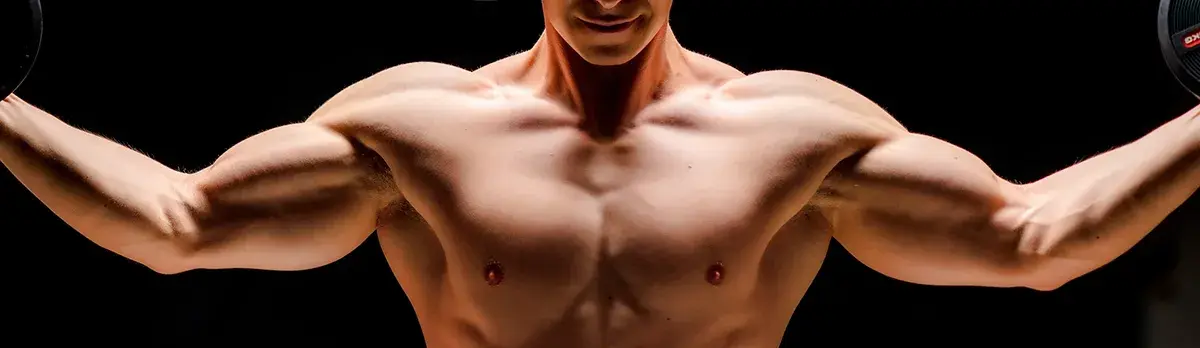
* Illustrative images on this page are models, not actual patients. Real patient results are shown in our Before & After gallery.
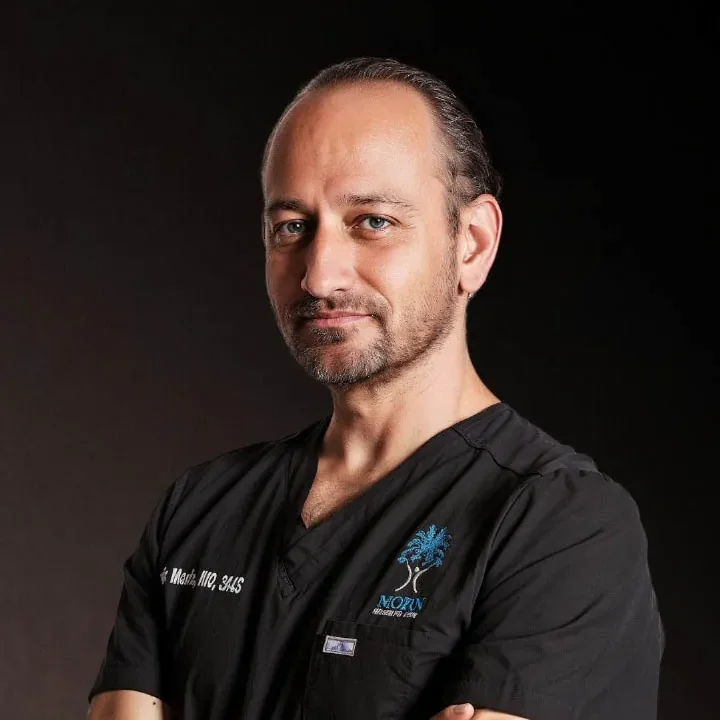
Dr.Babak Moeinolmolki
LA Cosmetic Surgeon Dr. Moein is board-certified by the American Board of General Surgery.