

Table of Contents
- Understanding Puffy Nipples: Glandular Tissue vs. Chest Fat
- Why Diet and Exercise Rarely Fix Puffy Nipples
- Common Triggers and Underlying Causes of Male Breast Swelling
- The Surgical Solution: Precise Excision and Liposuction
- Recovery Timeline, Activity Resumption, and Permanent Results
- Frequently asked questions
- Talk to a Los Angeles surgeon
- About Dr. Babak Moeinolmolki, MD
Puffy nipples in men are primarily caused by an accumulation of glandular breast tissue, localized fat, or a combination of both situated directly behind the areola. While weight loss reduces general body fat, true glandular swelling requires direct surgical removal to restore a smooth, flat, and masculine chest contour. At Gynecomastia Centers of Los Angeles, we provide specialized care to help men understand the exact cause of their symptoms and achieve permanent surgical correction.
Understanding Puffy Nipples: Glandular Tissue vs. Chest Fat
When men notice a conical or protruding shape beneath their areolas, they are often dealing with a structural tissue issue rather than general body weight. The male chest naturally contains a small amount of glandular breast tissue alongside subcutaneous fat. When hormonal signals stimulate this tissue, it expands, thickens, and creates a pointed or puffy appearance through the shirt.
It is important to differentiate between true gynecomastia and pseudogynecomastia. Pseudogynecomastia consists almost entirely of soft, pliable fat cells spread evenly across the pectoralis region. In contrast, true gynecomastia involves dense, firm, and rubbery glandular tissue situated centrally beneath the nipple-areolar complex. Clinical data shows that approximately 15% to 30% of adult men between the ages of 50 and 69 experience glandular enlargement, though initial onset frequently occurs during adolescent development, affecting up to 60% of teenage boys.
How Tissue Type Influences Chest Shape
Glandular tissue possesses a firm structural memory that pushes the areola outward, often causing the nipple to feel tender, hypersensitive, or visibly swollen. Because fat and glandular tissue behave differently at a cellular level, identifying which type dominates your chest composition is the first step toward finding an effective, lasting solution.
Why Diet and Exercise Rarely Fix Puffy Nipples
One of the most frustrating experiences for men dealing with puffy nipples is committing to rigorous exercise routines and strict caloric deficits without seeing improvements in their chest profile. While reducing your overall body fat percentage through diet and cardio successfully shrinks fat cells across the body, true glandular breast tissue is completely non-responsive to metabolic weight loss.
In fact, losing significant body fat can sometimes make puffy nipples appear more obvious. As the surrounding chest fat thins out, the dense, unyielding gland remains intact, causing it to project further outward against the skin. Similarly, heavy weightlifting and targeted chest exercises like bench presses build the underlying pectoralis major muscle. As the muscle expands beneath the gland, it pushes the dense tissue forward, increasing the overall prominence of the puffiness.
- Fat tissue: Soft, compressible, and responsive to exercise and caloric deficits.
- Glandular tissue: Firm, fibrous, and persistent regardless of body mass index (BMI) or body fat percentage.
Men who reach an athletic body fat level or achieve a healthy BMI under 25 frequently find that surgical intervention is the only medical mechanism capable of eliminating the dense glandular component once and for all.
Common Triggers and Underlying Causes of Male Breast Swelling
The proliferation of glandular breast tissue in men is governed primarily by an imbalance between the hormones estrogen and testosterone. Estrogen promotes the growth of breast tissue, while testosterone inhibits it. Whenever the biological ratio shifts in favor of estrogen, glandular enlargement can take place.
Key Causes of Glandular Growth
Several physiological factors, life stages, and external triggers can initiate this glandular proliferation:
- Pubertal Hormonal Shifts: During puberty, fluctuating hormone levels cause temporary glandular swelling in up to 60% of young males. While most cases resolve within 1 to 2 years, tissue remains permanently in a significant portion of men.
- Age-Related Testosterone Decline: As men age, natural testosterone production declines, allowing ambient estrogen levels to exert a stronger effect on chest tissue.
- Anabolic Steroids and Performance Enhancement: Exogenous testosterone and anabolic compounds convert to estrogen through a chemical process called aromatization, rapidly triggering acute glandular enlargement.
- Prescription Medications: Certain medications, including specific blood pressure drugs, anti-androgens, anti-anxiety medications, and heartburn remedies, list gynecomastia as a documented side effect.
Understanding the root cause helps ensure that external triggers are managed appropriately before undergoing corrective treatment at our Los Angeles clinic.
The Surgical Solution: Precise Excision and Liposuction
Because glandular tissue cannot be dissolved by topical creams, exercise, or hormonal supplements once it has matured, direct surgical correction is the gold standard solution. Modern male chest reshaping combines two primary surgical techniques to create a natural, athletic, and flat contour.
1. Direct Subcutaneous Glandular Excision
To eliminate the dense, rubbery tissue, the surgeon creates a discrete semi-circular incision along the lower perimeter of the areola, known as a periareolar incision. Through this hidden opening, the firm glandular mass is carefully dissected and excised. The surgeon leaves a thin, precise layer of tissue directly under the nipple to maintain healthy blood supply and prevent a depressed or cratered post-operative appearance.
2. High-Definition Liposuction
To ensure a smooth transition between the center of the chest and the surrounding pectoral boundary, targeted liposuction is performed. Utilizing micro-cannulas inserted through tiny incisions measuring just 2 to 3 millimeters, localized fat deposits are sculpted away. This dual approach guarantees that both the dense glandular core and the surrounding fatty layer are addressed simultaneously.
The entire outpatient procedure is typically performed under twilight sedation or general anesthesia and takes between 1 to 2 hours to complete.
Recovery Timeline, Activity Resumption, and Permanent Results
Recovery following surgical correction of puffy nipples is structured, predictable, and manageable for most patients. Because the procedure is targeted and minimally invasive, downtime is relatively short, allowing men to return to their daily routines swiftly.
Typical Post-Operative Milestones
- Days 1 to 2: Initial rest at home with mild soreness easily managed by prescribed or over-the-counter pain medication.
- Days 3 to 5: Most patients feel comfortable returning to sedentary desk work and light daily movements.
- Weeks 1 to 2: Swelling and bruising begin to subside significantly. Patients wear a specialized chest compression garment 24 hours a day to minimize fluid retention and support skin retraction.
- Weeks 4 to 6: Normal physical activity, heavy lifting, and intense cardiovascular exercise can safely resume as advised by your surgeon.
The results of surgical excision are permanent. Once glandular tissue is physically removed from the chest, it does not grow back, provided stable weight is maintained and anabolic substances are avoided. Patients at Gynecomastia Centers of Los Angeles enjoy long-term physical confidence and a restored masculine chest profile.
Frequently asked questions
Can puffy nipples go away on their own without surgery?
In pubertal teenagers, mild glandular swelling often resolves spontaneously within 1 to 2 years as hormone levels stabilize. However, in adult men, mature glandular tissue is permanent and will not recede on its own or through lifestyle changes.
Is surgical correction for puffy nipples painful?
The procedure is performed under local anesthesia with sedation or general anesthesia, ensuring you feel no pain during surgery. Most patients experience mild discomfort, tightness, and soreness for 3 to 5 days post-operatively, which is well managed with medication.
Will puffy nipples return after gynecomastia surgery?
Results are generally permanent because the surgical procedure removes the primary glandular core. However, significant weight gain or the use of anabolic steroids can cause remaining fat or minimal microscopic tissue to expand.
How long do I need to take off work after puffy nipple surgery?
Most patients taking on desk jobs or light office duties return to work within 3 to 5 days following surgery. If your job involves strenuous physical labor or heavy lifting, you may need to take 10 to 14 days off.
Can workout supplements or steroids cause puffy nipples?
Yes, anabolic steroids, prohormones, and certain testosterone-boosting supplements can convert into estrogen within the body. This sudden increase in estrogen stimulates male breast tissue, triggering glandular growth and puffy nipples.
How can I tell if my puffy nipples are fat or glandular tissue?
Glandular tissue feels firm, rubbery, or rope-like directly behind the areola and may feel tender to the touch. Chest fat feels soft, uniform, and compressible throughout the pectoral area, similar to fat tissue elsewhere on the body.
Talk to a Los Angeles surgeon
If this sounds like your situation, a focused consultation gives you a clear, personalized answer. Learn more on our gynecomastia surgery page, review how to get rid of man boobs, or book a consultation.
Sources: NIH StatPearls: Gynecomastia; American Board of Cosmetic Surgery.
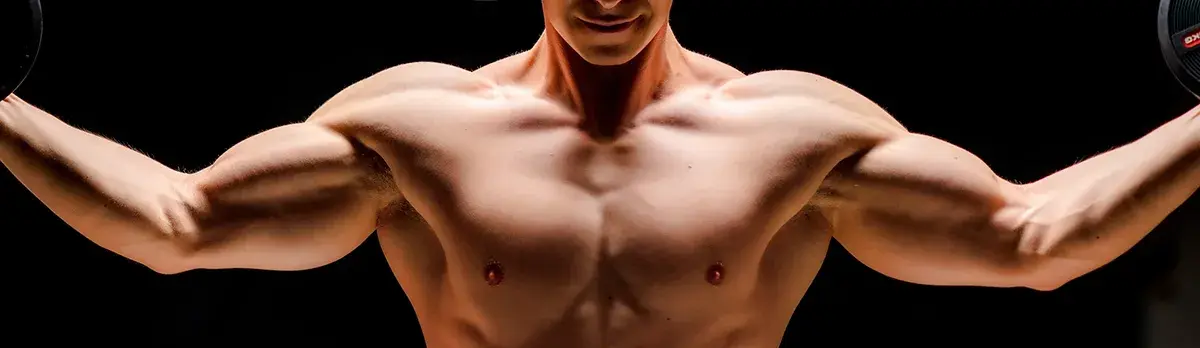
* Illustrative images on this page are models, not actual patients. Real patient results are shown in our Before & After gallery.
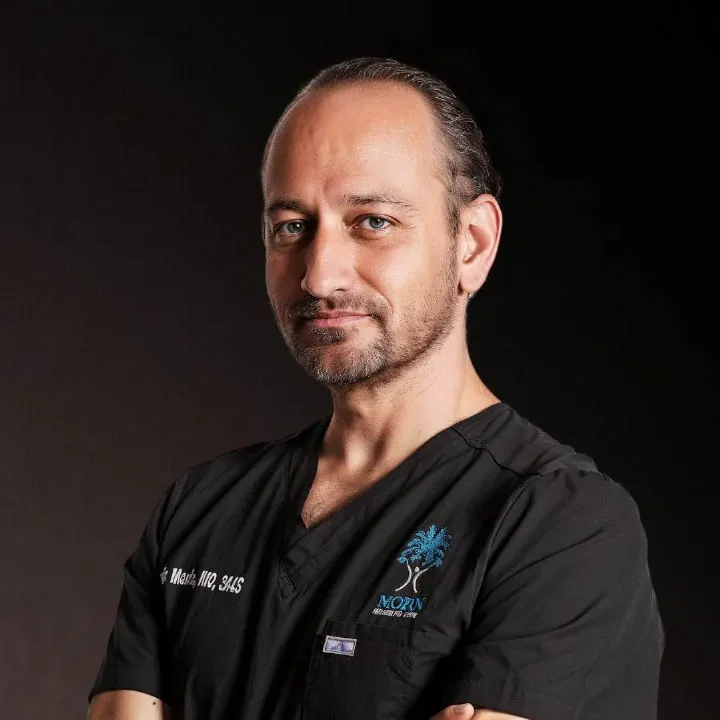
Dr.Babak Moeinolmolki
LA Cosmetic Surgeon Dr. Moein is board-certified by the American Board of General Surgery.