


Table of Contents
- Does hCG cause gynecomastia?
- How hCG Is Used in Men
- Why does hCG raise estrogen in men?
- Is hCG on TRT more likely to cause gyno than TRT alone?
- Can an hCG-secreting tumor cause gynecomastia?
- hCG Gyno Symptoms to Watch For
- Will hCG gyno go away?
- Can you have gynecomastia surgery while using hCG or TRT?
- What to Do Next
Yes, hCG can cause gyno. Human chorionic gonadotropin acts like luteinizing hormone on the testes, which raises testosterone and also raises the estradiol the testes produce. In some men that extra estrogen is enough to grow glandular tissue behind the nipple, and the risk is higher when hCG is stacked with testosterone.
I am Dr. Babak Moeinolmolki, a surgeon double board-certified by the American Board of General Surgery and the American Board of Cosmetic Surgery (ABCS). I treat men in Los Angeles who developed a tender lump under one or both nipples while using hCG, either as part of a prescribed TRT protocol or after a steroid cycle. Nothing on this page is dosing advice. Changes to a hormone protocol belong with the physician who prescribed it.
Does hCG cause gynecomastia?
It can. hCG stimulates the Leydig cells of the testes, which make testosterone and convert part of it to estradiol through the aromatase enzyme. When estrogen action in breast tissue outweighs androgen action, the gland can enlarge. Most men who use hCG never develop gynecomastia, but it is a recognized possibility.
The underlying rule is simple. Estrogens stimulate male breast tissue and androgens restrain it, and most cases of gynecomastia come from too much estrogen action or too little androgen action at the tissue level, as the Nature Reviews Endocrinology review of the condition explains (PubMed 25112235). Anything that pushes estradiol up faster than androgen activity can tip that balance. Our article on high estrogen in men covers the broader picture.
How hCG Is Used in Men
Men encounter hCG in three main ways. Physicians prescribe it for men with low testosterone from a pituitary or hypothalamic cause who want to preserve fertility, because injected testosterone suppresses sperm production. Some TRT protocols add it to keep the testes active and limit testicular shrinkage. And outside medical care, men use it during or after anabolic steroid cycles to restart their own production.
The Endocrine Society guideline recommends against starting testosterone in men who plan to father a child in the near term (PubMed 29562364), and American Urological Association guidance supports hCG for testosterone-deficient men who want to protect fertility, as a University of Miami study of hCG monotherapy notes (PubMed 35822152). In each of these settings, hCG drives the testes directly, and that is where the estrogen question starts.
Why does hCG raise estrogen in men?
The testes contain aromatase, the enzyme that turns testosterone into estradiol. hCG drives the testes directly, so estradiol output rises along with testosterone. In a placebo-controlled trial in older men with low-normal testosterone, recombinant hCG raised both hormones, and the estradiol increase went above the normal range.
That trial, published in the Journal of Clinical Endocrinology and Metabolism, gave older men twice-weekly hCG injections or placebo for three months and tracked their hormones monthly (PubMed 15181095). The study was about bone, not breasts, but it shows the mechanism clearly. hCG raises estradiol by stimulating the testes themselves. That is a different route from the estradiol rise seen with testosterone injections, which mostly comes from conversion in fat and other tissues.
Is hCG on TRT more likely to cause gyno than TRT alone?
It can be. Adding hCG to testosterone therapy restarts testicular hormone production on top of the injected testosterone, which adds a second source of estradiol. Whether that crosses the threshold for breast growth depends on dose, body fat, and individual sensitivity, so hormone labs and a chest check belong in routine follow-up.
The Endocrine Society guideline on testosterone therapy calls for a standardized monitoring plan for men on treatment, including symptoms, adverse effects, and blood tests (PubMed 29562364). Breast tenderness or a new lump is an adverse effect worth reporting at those visits. In my practice, the men who arrive with hCG-related gyno often noticed nipple soreness weeks before the lump, and they assumed it would pass. Our page on gynecomastia surgery while on TRT covers what changes when a patient on hormones needs an operation.
Can an hCG-secreting tumor cause gynecomastia?
Yes. Some testicular tumors, and rarely tumors elsewhere in the body, secrete hCG, and breast growth can be the first visible sign. A man with new breast tissue and no clear cause, especially one who is not using hCG at all, should have a testicular exam and blood work that includes hCG before anyone discusses surgery.
Testicular tumors appear on every serious list of gynecomastia causes, and the Nature Reviews Endocrinology review cited above names them. Case reports describe hCG-producing tumors that first showed up as gynecomastia, some of them in children (PubMed 29999144). These cases are uncommon. They are also the reason I do not operate on unexplained breast tissue without a proper workup, which is described in our guide to how gynecomastia is diagnosed.
hCG Gyno Symptoms to Watch For
Early hCG gyno usually feels like a sore, rubbery disc directly under the nipple. It may be on one side first. The nipple can look puffier than usual, and a T-shirt rubbing across it can hurt. Soft, even fullness across the whole chest without a firm center is more often fat than gland. A simple gynecomastia pinch test gives you a rough idea at home, and an exam settles it.
Get seen promptly, rather than waiting, if a lump is hard, fixed, growing quickly, or comes with nipple discharge or skin changes. Those features are not typical of hormone-driven gyno.
Will hCG gyno go away?
Sometimes. Recent, tender tissue that appears while estradiol is high can shrink once the hormone balance is corrected under a physician’s direction. Tissue that has been present for about a year or longer tends to turn fibrous and rarely regresses on its own. At that stage, surgical removal is the dependable option.
The table below summarizes how I think about the usual situations. What fits you varies by case.
| Situation | Usual next step | What to expect |
|---|---|---|
| New, tender tissue while on hCG | Prescriber reviews protocol and labs | Recent tissue may shrink |
| Tissue persists for months after hormones are adjusted | Monitoring; selected men try medical therapy | Benefit falls as tissue matures |
| Firm tissue present a year or more | Surgical gland excision, often with liposuction | Fibrous tissue rarely regresses without surgery |
| Lump with no hCG or hormone use | Testicular exam and blood tests, including hCG | Rule out a tumor before any cosmetic plan |
Medical options such as tamoxifen for gynecomastia are sometimes used off-label for recent, painful tissue. They work less well once the tissue has scarred down, which is why timing matters.
Can you have gynecomastia surgery while using hCG or TRT?
Often, yes. Many men on a stable, prescribed TRT protocol, with or without hCG, are reasonable surgical candidates. The essentials are full disclosure of dose, schedule, any aromatase inhibitor or SERM, and recent labs. Recurrence is a fair question if the estrogen driver stays in place, so your prescriber should be part of the plan.
Surgery removes the gland that has already formed. It does not change the hormones that produced it. If your estradiol stays high after surgery, the small amount of tissue left to keep the chest contour natural can respond again. For men who cycle, our article on how to prevent gyno on cycle covers that side of the problem.
What to Do Next
Do not change or stop a prescribed protocol on your own. Tell the physician managing your hormones about the breast change and ask for repeat labs. If the tissue has been there for many months, or it bothers you, a consultation can establish how much is gland and whether surgery makes sense. You can review results by grade in our before and after gallery and request a consultation with Dr. Babak Moeinolmolki. Results vary by case.
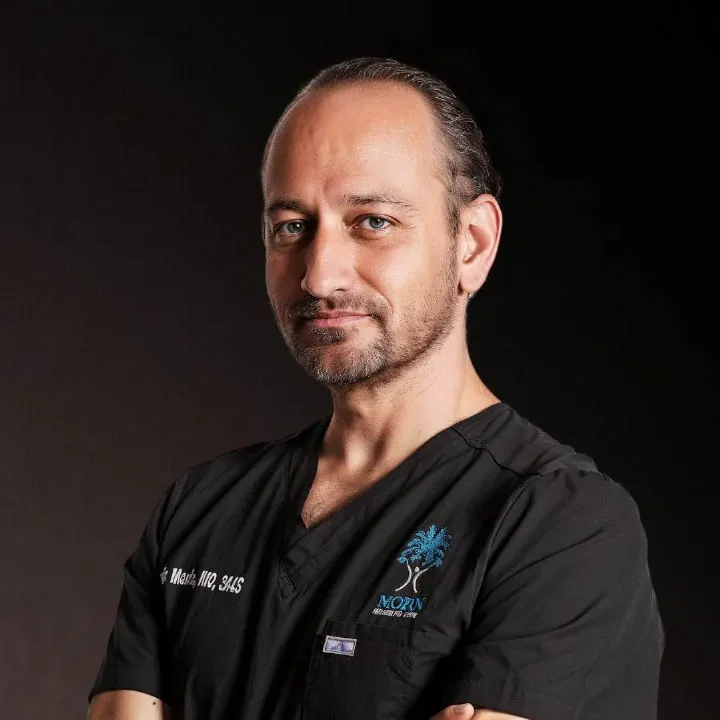
Dr.Babak Moeinolmolki
LA Cosmetic Surgeon Dr. Moein is board-certified by the American Board of General Surgery.