

Table of Contents
The classic symptom of gynecomastia is a firm, rubbery disc of tissue directly behind the nipple, sometimes tender, on one or both sides. That is the gland itself, and it feels different from soft chest fat. I am Dr. Babak Moeinolmolki, and most of the men I see first noticed one of the signs below and then spent months wondering whether it was serious.
This page lists the symptoms I see in clinic, what each one usually means, and which ones should prompt an exam sooner rather than later.
What Are the Symptoms of Gynecomastia?
The main symptom of gynecomastia is a firm, rubbery disc of glandular tissue directly behind one or both nipples. It often comes with tenderness, nipple sensitivity, or a puffy look under the shirt. Some men have no pain at all and only notice a change in chest shape.
The Nature Reviews Endocrinology review of the condition describes gynecomastia as enlargement of male breast tissue that is common in the general population, and notes that most cases are benign and of cosmetic rather than clinical importance (PubMed 25112235). In practice, the symptoms fall into a few groups.
| Symptom | What it usually means | What to do |
|---|---|---|
| Firm disc behind the nipple | Glandular tissue, the hallmark of true gynecomastia | Book an exam to confirm |
| Tenderness or soreness | Tissue is often still growing or recently changed | Note when it started and any new medications |
| Puffy, protruding nipple and areola | Gland pushing the nipple-areola complex forward | Compare both sides and track changes |
| Soft, even fullness across the chest | More likely chest fat (pseudogynecomastia) | Weight management and an exam to confirm |
| Lump on one side only | Often unilateral gynecomastia, but needs a proper exam | See a doctor promptly |
| Hard, fixed lump, skin changes, or bloody discharge | Uncommon, but cannot be judged without examination | Get examined soon |
Size varies a great deal. Some men have a small button under each nipple. Others have fullness that fills out a T-shirt. Our guide to the grades of gynecomastia explains how surgeons describe that range.
Does Gynecomastia Cause Pain?
Gynecomastia can cause pain and tenderness, especially when the tissue is growing. The ache is usually a dull soreness behind the nipple that worsens with pressure or friction. Many men have no pain at all, and pain alone does not show how serious the condition is.
The same review notes that gynecomastia might cause local pain and tenderness (PubMed 25112235). Tenderness tends to be most noticeable early, when the gland is actively changing. A man may feel it when a shirt rubs, when he lies on his side, or when someone touches the area.
If soreness is your main complaint, our page on painful nipples in men covers other causes worth knowing about, such as friction and skin irritation. Pain that appears suddenly, or in only one nipple with a new lump, should be examined rather than watched.
How Can You Tell Gynecomastia From Chest Fat?
Gynecomastia feels like a firm, rubbery disc behind the nipple, while chest fat feels soft and spreads evenly across the chest. Fat gives no distinct lump and rarely hurts. A hands-on exam by a surgeon is the most reliable way to separate the two.
Here is the test I use in the exam room. I ask a man to lie back and I gently pinch behind the nipple. True gynecomastia gives a firm, rubbery resistance centered under the areola, and it can feel like a small coin. Fat gives a soft, mobile pinch with no distinct core. Many men have both, which is why a careful exam matters.
You can read how this works step by step in our gynecomastia pinch test guide. If you suspect fat is the larger part of the problem, gynecomastia versus pseudogynecomastia compares the two in detail. A lump that is firm under the nipple on one side also appears in our article on a lump under the nipple in men.
Which Symptoms Mean You Should See a Doctor Soon?
See a doctor if a lump is hard, fixed in place, on one side only, or comes with skin dimpling, nipple retraction, or bloody discharge. Those findings are uncommon but need a prompt exam. Pain, rapid growth, and new symptoms after starting a medication also deserve a visit.
Breast cancer in men is much less common than benign gynecomastia, and the review cited above states that the two can usually be distinguished by a careful physical examination (PubMed 25112235). That statement is reassuring, and it also explains why the exam should actually happen. Our article on gynecomastia lump versus cancer describes which features raise concern.
Nipple discharge is its own question. Clear or milky fluid, bloody fluid, and discharge from only one nipple each point to different causes. See nipple discharge in men for the details. Any discharge that is bloody, comes from one side, or appears without squeezing should be checked.
A few other situations call for an earlier visit. These include a lump that grows quickly, symptoms that began soon after a new medication or supplement, and breast changes together with other health changes such as fatigue or testicular swelling. In those cases the breast tissue may be a sign of something else, and your primary care doctor or an endocrinologist can look for it.
Do Gynecomastia Symptoms Go Away on Their Own?
Gynecomastia symptoms sometimes fade without treatment, especially when puberty or a medication caused them. Tissue present for a year or more is more likely to be firm scar-like gland, and it rarely shrinks on its own. Time frames vary by case.
The review cited above notes that in some cases, such as pubertal gynecomastia, the breast enlargement resolves spontaneously (PubMed 25112235). When a medication or an underlying condition is the cause, treating that cause can also help. Our list of medications that cause gynecomastia is a good starting point if your symptoms followed a new prescription. Never stop a prescribed medication on your own. Talk with the prescribing doctor first.
Tissue that has been present for a year or longer behaves differently. Over time the gland becomes firmer and more fibrous, and in my experience it rarely shrinks on its own. Our overview of how gynecomastia is diagnosed explains what tests, if any, a doctor may add.
When Does Gynecomastia Need Treatment?
Treatment depends on the cause, how long the tissue has been there, and how much it bothers you. A man with tender, recent tissue after starting a medication may only need a medication review. A man with firm tissue that has been unchanged for years and is affecting how he lives usually needs surgery to change it.
The review cited above states that surgery to remove the enlarged breast tissue might be necessary when gynecomastia does not resolve spontaneously or with medical therapy (PubMed 25112235). Surgical technique depends on whether the problem is mostly gland, mostly fat, or both, and no single method fits every man. Results and recovery vary by case.
Dr. Babak Moeinolmolki is double board-certified through the American Board of General Surgery and the American Board of Cosmetic Surgery (ABCS). If you want to verify any surgeon’s training, you can check the certifying board directly through the American Board of Cosmetic Surgery. To see how we approach the operation, start with gynecomastia surgery in Los Angeles.
What to Do Next
Write down when you first noticed the change, whether it is one side or both, whether it hurts, and any medications or supplements you take. Bring that list to an exam. A consultation with me costs you a few minutes of honest answers, and you leave knowing whether you have gland, fat, or something that needs another doctor. You can request a visit through our contact page.
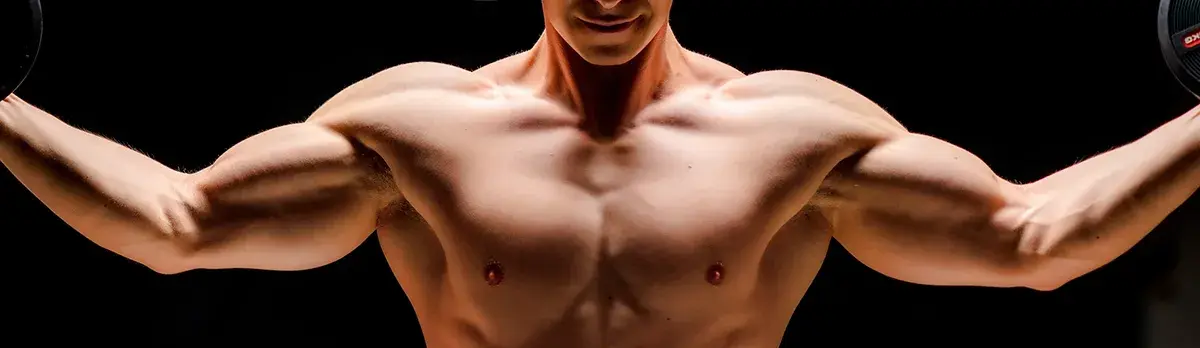
* Illustrative images on this page are models, not actual patients. Real patient results are shown in our Before & After gallery.
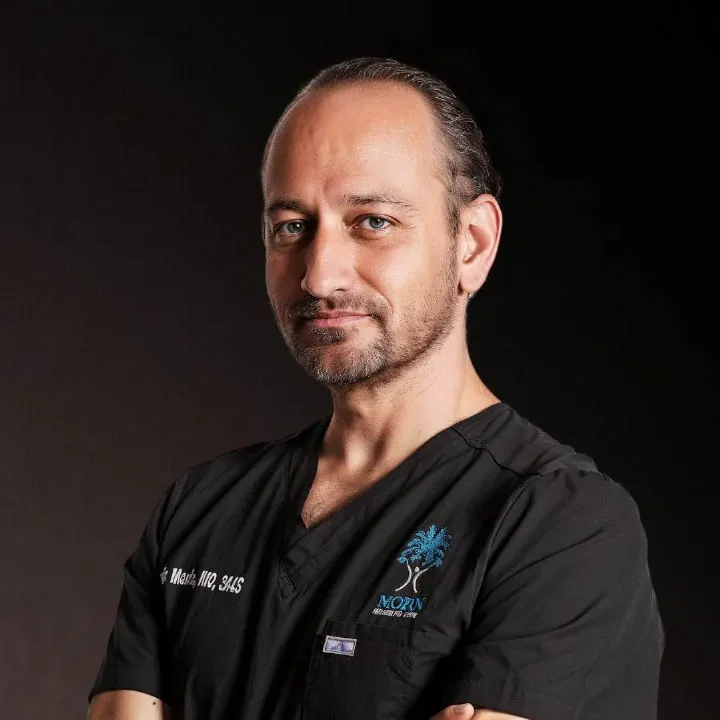
Dr.Babak Moeinolmolki
LA Cosmetic Surgeon Dr. Moein is board-certified by the American Board of General Surgery.