

Table of Contents
- Anesthesia Choice: Awake Technique vs. General Anesthesia
- Week 1: Managing Immediate Recovery and Post-Operative Care
- Weeks 2 to 4: Returning to Routine Activities and Light Exercise
- Weeks 5 to 8: Returning to the Gym and Full Physical Exercise
- Months 3 to 12: Final Contouring, Scar Maturation, and Long-Term Results
- Frequently asked questions
- Talk to a Los Angeles surgeon
- About Dr. Babak Moeinolmolki, MD
Gynecomastia surgery recovery typically requires 3 to 5 days of initial rest before returning to desk work, with unrestricted physical training resuming after 6 weeks. While initial swelling subsides significantly within the first 4 weeks, reaching your final pectoral contour generally takes between 6 and 12 months. At Gynecomastia Centers of Los Angeles, our board-certified surgical team emphasizes structured post-operative care so that every patient transitions smoothly from surgery to full athletic recovery.
Anesthesia Choice: Awake Technique vs. General Anesthesia
The recovery process begins the moment your procedure is complete, and the type of anesthesia used plays a major role in your immediate experience. At Gynecomastia Centers of Los Angeles, we offer both awake procedures using targeted local tumescent anesthesia with mild sedation and traditional general anesthesia. Understanding how these choices impact your early recovery hours helps set realistic expectations.
The Awake Gynecomastia Surgery Experience
Patients who choose awake surgery experience a remarkably smooth immediate recovery. Tumescent local anesthesia numbs the chest tissue completely using a combination of lidocaine and epinephrine, while oral or mild IV sedation keeps you relaxed throughout the procedure. Because no heavy systemic anesthetic gases are administered, you avoid the grogginess, nausea, and disorientation often associated with general anesthesia.
- Rapid Discharge: Most awake surgery patients are ready to return home within 1 hour after the procedure is finished.
- Extended Local Pain Relief: Tumescent fluid remains active in the chest tissues for 12 to 18 hours after surgery, providing exceptional natural pain management during the critical first night.
- Immediate Mobility: Patients can walk independently immediately after treatment, which reduces the risk of blood clots and encourages healthy circulation.
Recovery Under General Anesthesia
When general anesthesia is selected, particularly for extensive tissue removals or combined body contouring cases, the immediate post-operative period requires extra monitoring. Patients spend 1 to 2 hours in a recovery bay while the systemic anesthesia wears off. It is common to experience mild sore throat from the airway tube, temporary shivering, or transient nausea during the first 24 hours. While both methods yield identical cosmetic results, patients undergoing awake procedures typically enjoy a faster initial transition during the first day at home.
Week 1: Managing Immediate Recovery and Post-Operative Care
The first 7 days following male breast reduction surgery focus entirely on resting, managing discomfort, and protecting the treated area to ensure optimal tissue healing. Your chest will feel tight and bruised, which is a normal response as your body begins its natural repair process.
Wearing Your Compression Garment
Your surgical compression vest is your most important recovery tool during week 1. It compresses the treated area, minimizes fluid collection, reduces swelling, and helps the skin retract over your new pectoral contours. You will need to wear this garment for 23 hours a day during the first week, removing it only for 1 hour to take a brief shower once your surgeon provides clearance.
Pain Management and Daily Function
Most patients experience mild to moderate soreness that resembles the deep ache felt after an intense chest workout. Prescription pain medication is typically only necessary for the first 2 to 3 days, after which most men transition comfortably to over-the-counter pain relievers such as acetaminophen.
- Work Clearance: Plan to take 3 to 5 days off from sedentary desk work to allow initial inflammation to settle.
- Sleeping Posture: You must sleep strictly on your back elevated with 2 to 3 pillows for the first 14 days to prevent direct pressure on the chest and to encourage lymphatic drainage.
- Physical Restrictions: Avoid lifting any objects heavier than 10 pounds and keep your elbows below shoulder height during daily activities.
By the end of the first week, acute swelling begins to peak and stabilize, allowing most men to move around their homes with minimal discomfort.
Weeks 2 to 4: Returning to Routine Activities and Light Exercise
During weeks 2 through 4, your body transitions from initial healing to active tissue remodeling. Many patients feel significantly better during this phase, but it is critical to resist the urge to overexert yourself before internal healing is complete.
Gradual Increase in Activity
While heavy lifting remains off-limits, light physical activity is highly beneficial. By week 2, walking for 20 to 30 minutes daily improves cardiovascular circulation and accelerates swelling resolution.
- Returning to Work: If your job involves light physical labor, you can typically return around day 10 to 14, provided you do not perform heavy lifting.
- Driving: Most patients resume driving between days 7 and 10, as soon as they no longer require prescription pain medication and can comfortably turn the steering wheel without chest strain.
- Garment Management: By week 3 or 4, your surgeon may permit you to transition to a lighter secondary compression garment or reduce garment wear to 12 to 16 hours per day.
Managing Swelling and Tissue Changes
By week 4, approximately 60% to 70% of post-operative swelling resolves. However, you may notice firm areas beneath the skin, known as induration or scar tissue formation. This is a standard part of healing. Gentle lymphatic self-massage, performed for 5 to 10 minutes twice daily starting at week 3, helps soften these areas and promotes smooth pectoral contours.
Weeks 5 to 8: Returning to the Gym and Full Physical Exercise
Reaching week 6 marks a major milestone in your gynecomastia surgery recovery. At this point, underlying tissues have regained substantial structural strength, allowing you to reintroduce physical fitness routines safely under surgeon guidance.
Resuming Weightlifting and Chest Workouts
At 6 weeks post-surgery, most patients are cleared to return to the gym for full-body workouts and direct chest exercises. However, returning to fitness requires a progressive, thoughtful approach rather than jumping straight into pre-surgery weight limits.
- Start Light: Begin chest exercises such as bench press, push-ups, or dumbbell flies at 50% of your pre-surgery weight limit during week 6.
- Listen to Your Body: Increase your weights by 10% to 15% each week if you experience no sharp pain or sudden swelling increases.
- Discontinuing Compression: Most men stop wearing the compression vest completely between weeks 6 and 8, as internal fluid accumulation risks become negligible.
Cardiovascular and Athletic Performance
High-impact cardio activities, such as running, jumping rope, or competitive sports, can be resumed fully by week 6. About 80% of surgical swelling has dissolved by week 6, giving you a clearer preview of your masculine chest shape in gym attire.
Months 3 to 12: Final Contouring, Scar Maturation, and Long-Term Results
While you will look great in a shirt by week 6, the refined anatomical details of your chest continue to improve for up to 12 months. Understanding the late stages of tissue maturation helps you appreciate the evolution of your final cosmetic outcome.
Tissue Softening and Final Contours
Between months 3 and 6, the remaining 20% of residual swelling slowly dissipates. Internal scar tissue beneath the nipple-areolar complex continues to soften, allowing the skin and subcutaneous fat to settle naturally over the pectoral muscle fascia. Patients with good skin elasticity, typically seen in individuals with a healthy BMI under 30, will notice excellent skin retraction along the lower pectoral fold.
Scar Management and Maturation
Surgical incisions, usually hidden around the lower rim of the areola or within the armpit fold for liposuction access, undergo a maturity process over 12 months:
- Months 1 to 3: Incisions may appear slightly pink or raised as collagen deposition peaks.
- Months 3 to 6: Application of topical silicone gel or sheeting helps flatten and fade scar tissue.
- Months 6 to 12: Incisions fade into thin, skin-toned lines that are barely visible to the untrained eye.
At Gynecomastia Centers of Los Angeles, long-term follow-up consultations ensure that your aesthetic transformation meets the highest clinical standards and delivers lifetime confidence.
Frequently asked questions
How long do I need to wear a compression garment after gynecomastia surgery?
Most patients wear a primary compression garment for 23 hours per day during the first 2 weeks after surgery. Between weeks 3 and 6, garment wear is often reduced to 12 to 16 hours daily or transitioned to a lighter vest. By week 6, most men can discontinue wearing compression garments entirely based on their surgeon's recommendation.
When can I safely return to work after gynecomastia surgery in Los Angeles?
If you have a desk-based job, you can typically return to work within 3 to 5 days after your procedure. For occupations that involve moderate physical labor or lifting, we recommend taking 10 to 14 days off to allow early healing. Patients treated under awake anesthesia often feel ready to resume light working tasks slightly sooner.
How painful is gynecomastia surgery recovery?
Most men describe post-operative discomfort as a moderate, deep muscle soreness similar to working out after a long break. Pain is effectively managed with prescription medication for the first 2 to 3 days, after which over-the-counter pain relievers are usually sufficient. Awake procedures utilizing long-acting local tumescent fluid provide noticeable pain relief for the first 12 to 18 hours after surgery.
When can I resume lifting heavy weights and chest exercises?
Light cardio walking is encouraged during week 2, but heavy weightlifting and direct chest exercises must wait until week 6. At 6 weeks post-surgery, you can begin lifting light weights at 50% capacity and gradually increase intensity by 10% each week. Pushing heavy chest weights too early increases swelling and risks internal bleeding or seroma formation.
How soon will I see the final results of my gynecomastia procedure?
You will notice an immediate improvement in your chest contour right after surgery, with about 80% of final swelling resolving by week 6. However, subtle residual swelling and internal scar tissue take 6 to 12 months to fully mature and settle. Final skin contraction and definitive muscular definition become completely evident around the 1-year mark.
Will gynecomastia surgery leave visible scars on my chest?
Incisions are strategic and minimal, typically placed along the lower semicircular border of the areola or within tiny 3 to 4 millimeter puncture sites for liposuction. Over the course of 6 to 12 months, these scars mature, flatten, and fade to match surrounding skin tone. Using topical silicone gels starting at week 3 further optimizes long-term scar appearance.
Talk to a Los Angeles surgeon
If this sounds like your situation, a focused consultation gives you a clear, personalized answer. Learn more on our gynecomastia surgery page, review awake gynecomastia surgery, or book a consultation.
Sources: NIH StatPearls: Gynecomastia; American Board of Cosmetic Surgery.
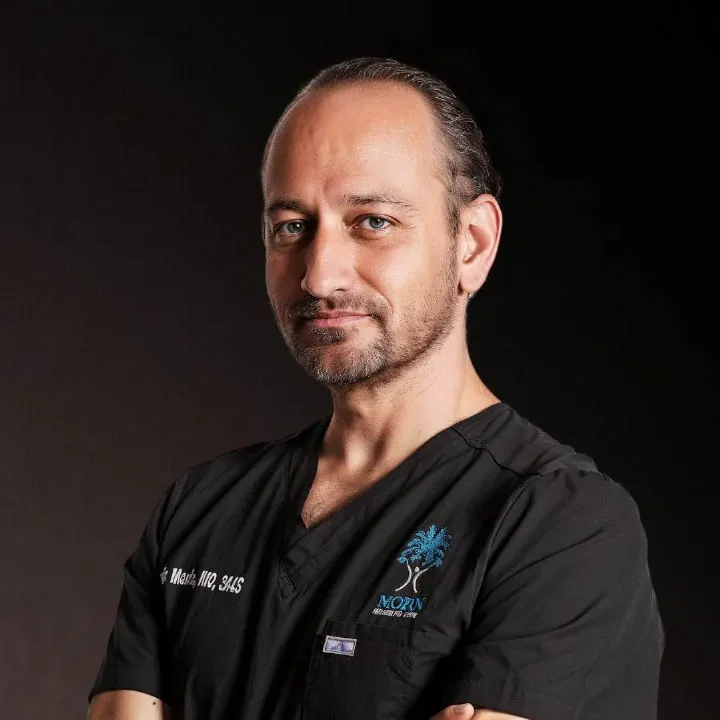
Dr.Babak Moeinolmolki
LA Cosmetic Surgeon Dr. Moein is board-certified by the American Board of General Surgery.