

Table of Contents
- Does Alcohol Cause Gynecomastia?
- How Alcohol Affects Your Chest: Three Separate Routes
- Can Beer Give You Man Boobs?
- Does Gynecomastia From Alcohol Go Away if You Quit?
- How Can You Tell Alcohol Chest Fat From True Gynecomastia?
- What to Ask Your Doctor Before Changing Anything
- What Treatment Looks Like
- Next Step
Does alcohol cause gynecomastia? Heavy, long-term drinking can, usually through liver damage and lower testosterone. A few beers a week is a different story, and most men who blame alcohol for their chest are looking at a mix of fat and genetics. I am Dr. Babak Moeinolmolki, and I see this question in consultation almost every week.
Does Alcohol Cause Gynecomastia?
Heavy, long-term alcohol use can contribute to gynecomastia, mainly by damaging the liver and lowering testosterone. Occasional or moderate drinking has not been shown to cause true glandular enlargement on its own, though the extra calories can add chest fat that looks similar.
The link runs through the liver. A healthy liver breaks down estrogen and keeps the balance between estrogen and testosterone in range. In men with severe alcohol-related liver disease, that balance shifts. A published review of sex hormones in cirrhosis describes lower testosterone, higher estrogen, and a higher estrogen-to-testosterone ratio as the severity of liver dysfunction increases, with gynecomastia among the clinical features. The same review attributes the low testosterone to alcohol abuse itself, not only to the scarred liver (PubMed 9396303). A separate review of ethanol toxicity lists gynecomastia and testicular atrophy among the physical signs of chronic alcohol damage (PubMed 26452450).
That evidence is about heavy, sustained drinking with liver involvement. I am not aware of good data showing that moderate drinking grows breast gland tissue in men with healthy livers. If someone tells you a weekend of drinks caused your gynecomastia, be skeptical.
How Alcohol Affects Your Chest: Three Separate Routes
Alcohol touches the chest in more than one way, and they get lumped together online. Sorting them out matters because each one responds differently to treatment.
| Route | What happens | Who is affected | Likely to improve if you stop drinking? |
|---|---|---|---|
| Liver and hormone changes | Estrogen rises relative to testosterone, which can stimulate gland growth | Heavy, long-term drinkers, especially with liver disease | Sometimes, if caught early |
| Direct testicular effect | Alcohol can lower testosterone production | Heavy drinkers | Often partly, as levels recover |
| Extra calories | Weight gain adds fat across the chest (pseudogynecomastia) | Regular drinkers of any level who gain weight | Yes, with fat loss |
The third route is by far the most common one I see. A man drinks several nights a week, gains twenty pounds, and notices his chest looks fuller. That is chest fat, not gland. My article on pseudogynecomastia versus true gynecomastia explains the difference in detail.
Can Beer Give You Man Boobs?
Beer does not directly grow breast gland tissue in most men. Regular heavy beer drinking adds calories that raise body fat, and chest fat is part of that. Heavy use can also disrupt hormones. The result is often a mix of fat and gland, which a physical exam can separate.
The “beer has estrogen” idea is popular, but I would not build a treatment plan around it. The practical problem with beer is volume and calories. Someone who drinks a six-pack a night is also consuming a large amount of extra energy, and the body stores it where it tends to store fat. For many men that includes the chest. If you want the broader dietary picture, read foods that cause man breasts.
Does Gynecomastia From Alcohol Go Away if You Quit?
Sometimes. Recent, tender enlargement can shrink after drinking stops and hormone levels recover. Tissue that has been present for a year or longer is usually fibrous and rarely regresses fully. Fat loss can reduce the fatty portion, but firm glandular tissue typically needs surgical removal.
Timing is the main variable. Early gynecomastia has active, proliferating gland tissue and is often tender. Once it has been there for a year or more, the tissue turns fibrous, and no change in diet or drinking will dissolve it. This is the same pattern I describe for other causes in gynecomastia causes, and it is why waiting years for it to resolve rarely works.
If you drink heavily, quitting is worth doing for your liver regardless of what happens to your chest. Stopping suddenly after heavy daily use can be dangerous, so talk to your own physician about how to do it safely.
How Can You Tell Alcohol Chest Fat From True Gynecomastia?
True gynecomastia feels like a firm, rubbery disc directly under the nipple, while chest fat feels soft and spreads evenly across the chest. A pinch test and a clinical exam can tell the two apart, and blood tests check testosterone, estradiol, and liver function.
You can do a rough check at home with the steps in the gynecomastia pinch test. A firm lump under the nipple that you can feel as a separate disc points to gland. Soft, even fullness points to fat. A physician can confirm this and order blood work, which should include testosterone, estradiol, and liver enzymes. Alcohol is also only one of several possible contributors, so review medications that cause gynecomastia and high estrogen in men as well.
See a doctor promptly if one breast is hard, fixed, or bloody at the nipple. That pattern needs to be ruled out as something other than gynecomastia.
What to Ask Your Doctor Before Changing Anything
Men often show up having already tried a fix from the internet. Some stop drinking cold, some buy a supplement marketed for “estrogen control,” and some start a restrictive diet. None of that replaces a workup. Ask your physician for a morning testosterone level, estradiol, liver enzymes, and a review of every medication and supplement you take. Prolactin and thyroid tests are reasonable if the picture is unclear. Bring a realistic account of how much you drink in a typical week, because the answer changes how your doctor reads the results.
It also helps to know your own timeline. Note when you first noticed the change, whether it hurts, and whether one side is larger. A change that appeared over a few weeks with tenderness suggests an active hormonal process. A change that crept up over years alongside weight gain suggests fat. I use those details to decide whether a patient should wait, get treated medically, or move toward surgery.
What Treatment Looks Like
If your workup shows liver disease or low testosterone, that gets treated first by the right specialist. Once the cause is addressed and your chest has been stable for several months, the question becomes what remains. Fat can respond to weight loss. Gland does not. When gland tissue is the problem, the usual solution is surgical removal, often combined with liposuction to contour the surrounding fat. Candidacy depends on your health, your liver function, and how long the tissue has been present, which is covered in gynecomastia surgery candidates.
Anesthesia and healing both depend on your liver, so I will not operate on a man with significant alcohol-related liver disease until his physician clears him. Results and recovery vary by case.
Next Step
If you have been drinking regularly and your chest has changed, start with a blood panel and an exam. Dr. Moeinolmolki evaluates chest changes in men at Gynecomastia Centers of Los Angeles, and you can book a consultation to find out whether you are dealing with fat, gland, or both. Dr. Moeinolmolki is double board-certified through the American Board of General Surgery and the American Board of Cosmetic Surgery (ABCS).
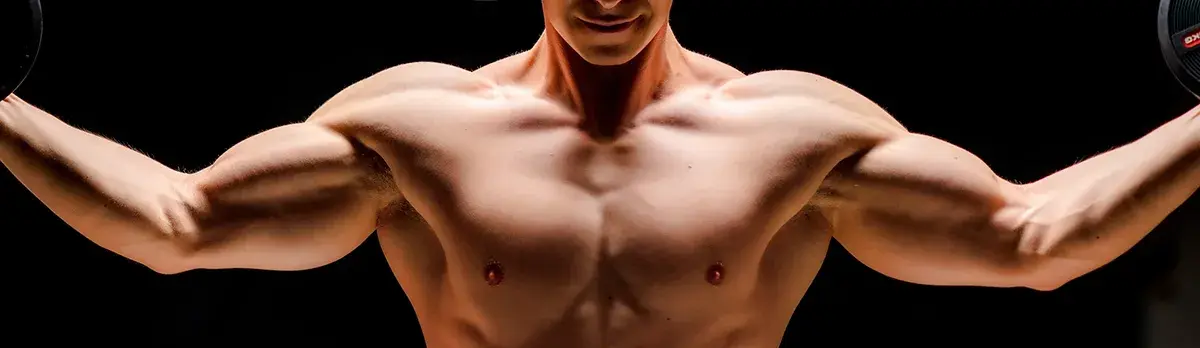
* Illustrative images on this page are models, not actual patients. Real patient results are shown in our Before & After gallery.
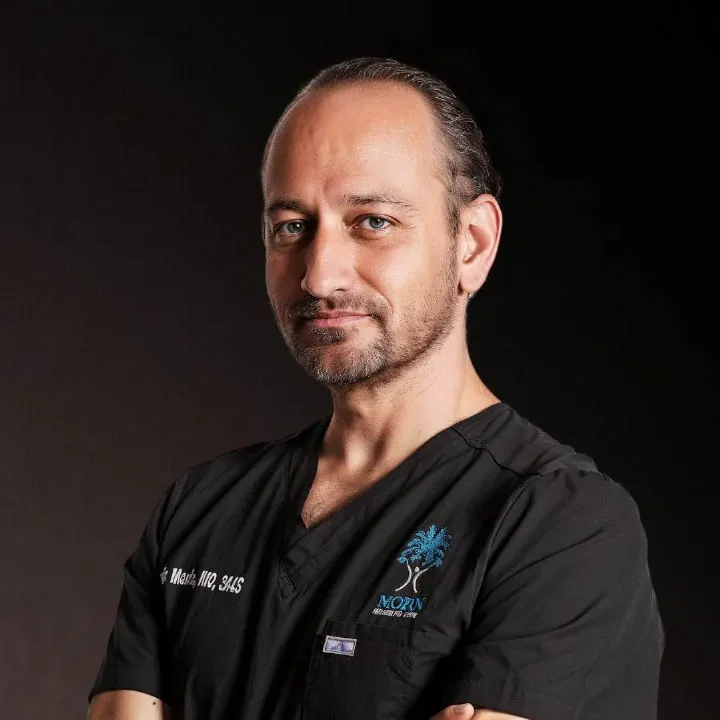
Dr.Babak Moeinolmolki
LA Cosmetic Surgeon Dr. Moein is board-certified by the American Board of General Surgery.