

Table of Contents
- Understanding Chest Anatomy: Glandular Tissue vs. Adipose Fat
- Self-Examination and Clinical Diagnostic Techniques
- Why Diet and Exercise Work for Pseudogynecomastia but Fail for True Gland
- Surgical Solutions: Liposuction, Direct Excision, or Combination Methods
- Recovery Timelines, Healing Phases, and Results in Los Angeles
- Frequently asked questions
- Talk to a Los Angeles surgeon
- About Dr. Babak Moeinolmolki, MD
Gynecomastia is the physical enlargement of firm, rubbery glandular breast tissue, whereas pseudogynecomastia is characterized strictly by an accumulation of soft adipose tissue, or chest fat. Determining whether your chest fullness stems from dense glandular tissue, excess fat, or a combination of both is essential because adipose fat can occasionally decrease with weight loss, while true glandular tissue requires targeted surgical removal. At Gynecomastia Centers of Los Angeles, our board-certified surgical team helps men across Southern California understand their chest anatomy and select the safest, most effective pathway toward a flat, sculpted physique.
Understanding Chest Anatomy: Glandular Tissue vs. Adipose Fat
To understand why your chest may appear enlarged or disproportionate, it helps to look at the underlying structures of male breast tissue. Beneath the skin and subcutaneous fat layer lies a small amount of residual glandular tissue. In a balanced hormonal state, this tissue remains dormant and minimal. However, changes in hormone levels, genetic predispositions, specific medications, or lifestyle factors can alter the balance between estrogen and testosterone, signaling this glandular framework to proliferate.
The Histology of True Gynecomastia
True gynecomastia is a metabolic and hormonal response resulting in true cellular hypertrophy of the breast tissue. Glandular tissue is firm, fibrous, and somewhat nodular. It develops primarily directly behind the nipple and areola complex. Clinical studies estimate that over 50 percent of men experience some degree of true glandular proliferation during their lifetime, most commonly during puberty or later in adulthood after age 50. This tissue is tough and bound tightly to the surrounding connective structures, meaning it will not break down during standard caloric restriction or aerobic exercise.
The Composition of Pseudogynecomastia
Pseudogynecomastia, by contrast, involves no glandular proliferation whatsoever. It is simply an accumulation of standard subcutaneous fat tissue across the pectoral region. It often correlates with generalized weight gain, lifestyle changes, or genetic fat distribution patterns. Men with a body mass index (BMI) over 25 are statistically more prone to storing excess adipose tissue in the lower chest region. Because this tissue is purely composed of fat cells (adipocytes), it possesses the same metabolic characteristics as fat found on the abdomen, hips, or thighs.
- Gynecomastia: Firm, rubbery gland behind the nipple; hormonally driven; unresponsive to diet and exercise.
- Pseudogynecomastia: Soft, diffuse fat across the chest; weight-driven; potentially responsive to body fat reduction.
- Combination (Combination Gynecomastia): A mixture of dense subareolar glandular tissue surrounded by excess chest fat.
Self-Examination and Clinical Diagnostic Techniques
Distinguishing between glandular tissue and chest fat requires a structured clinical assessment. While a professional physical examination in our Los Angeles clinic is the gold standard for diagnosis, understanding what a surgeon looks for can help you evaluate your own symptoms before your consultation.
The Subareolar Touch Test
The primary way surgeons differentiate gland from fat is through manual palpation. During a consultation at Gynecomastia Centers of Los Angeles, the surgeon evaluates the texture, density, and depth of the tissue. You can perform a basic self-check by lying flat on your back and placing your thumb and index finger on opposite sides of your areola.
Gently squeeze your fingers together while moving toward the nipple. If you feel a distinct, firm mass that feels somewhat like a dense rubber eraser or a rubbery disc measuring 2 to 4 centimeters across, you are likely feeling glandular tissue. If the tissue feels completely soft, uniform, and easily compressible (similar to the skin fold on your waist), it is far more likely to be simple chest fat.
Visual and Structural Signs
Visual cues also provide valuable context during evaluation. True gynecomastia frequently presents with a prominent, conical shape concentrated directly beneath the nipple area, often leading to a condition known as puffy nipples. The areola itself may appear stretched or widened beyond 3 centimeters in diameter due to the outward pressure of the underlying gland. Pseudogynecomastia typically creates a softer, more rounded chest profile that sags slightly toward the lower breast fold without specifically projecting from the nipple center.
- Texture: Rubbery and firm points to gland; soft and pliable points to fat.
- Location: Centered right beneath the areola indicates gland; spread across the sides and pectoral boundaries indicates fat.
- Sensation: Mild tenderness or sensitivity upon pressure often accompanies active glandular growth; fat tissue is generally painless.
Why Diet and Exercise Work for Pseudogynecomastia but Fail for True Gland
One of the most frustrating experiences for men with chest enlargement is spending months in the gym without seeing changes in their upper body contour. Understanding why exercise alone often fails requires a look at cellular biology.
When you consume a calorie deficit and engage in cardiovascular exercise, your body mobilizes triglycerides stored within adipocytes to generate energy. As these lipid stores shrink, adipose tissue reduces in volume throughout the body, including the chest. Therefore, if your condition is pure pseudogynecomastia, losing 10 to 20 pounds can result in a noticeable reduction in chest size.
The Persistence of Glandular Tissue
Glandular tissue is fundamentally different from fat cells. It consists of fibrous stroma, collagen strands, and epithelial ducts. Glandular cells do not store triglycerides; they are structural tissues that do not break down in response to exercise or reduced caloric intake. In fact, many dedicated weightlifters and athletes who reduce their overall body fat to 10 percent or lower find that their chest protrusion becomes more noticeable. As the surrounding fat melts away, the dense subareolar gland stands out in starker contrast against the defined pectoral muscle beneath.
While up to 70 percent of pubertal gynecomastia cases resolve spontaneously within 1 to 2 years as hormonal balance restores, adult glandular tissue that has been present for longer than 12 months typically becomes fibrotic. Once fibrosis occurs, non-surgical interventions like lifestyle modification, supplements, or dietary changes will not eliminate the firm gland structure.
Surgical Solutions: Liposuction, Direct Excision, or Combination Methods
Because the anatomical causes of chest enlargement vary from person to person, modern male chest correction is not a one-size-fits-all procedure. At Gynecomastia Centers of Los Angeles, surgical strategies are meticulously customized based on your tissue composition.
Liposuction for Pseudogynecomastia
When an examination confirms pure pseudogynecomastia, advanced liposuction techniques (such as power-assisted or ultrasound-assisted liposuction) are utilized. Through 2 tiny access incisions measuring less than 0.5 centimeters near the chest margin, specialized cannulas gently break down and vacuum away excess adipose cells. This technique allows the surgeon to feather the chest boundaries smoothly, creating a natural blend with the abdominal wall and latissimus muscles.
Direct Excision for True Gynecomastia
If true glandular tissue is present, liposuction alone is insufficient. Because firm gland tissue is too fibrous to be drawn through a standard liposuction cannula, it must be removed via direct surgical excision. The surgeon creates a subtle semicircular incision around the lower rim of the areola (a periareolar incision) measuring about 1 to 2 centimeters. Through this discreet opening, the surgical team selectively removes the dense glandular mass while preserving a thin layer of cushion under the nipple to prevent an indented or inverted appearance.
The Combined Approach
In clinical practice, approximately 80 percent of male chest reduction procedures involve a combined technique. Liposuction is first used to sculpt the surrounding adipose layer and contour the pectoral borders, followed by direct surgical excision to lift out the firm subareolar gland. This hybrid approach ensures both a flat profile and a smooth, continuous transition across the chest wall.
Recovery Timelines, Healing Phases, and Results in Los Angeles
Understanding the recovery timeline is essential for planning your procedure and ensuring an optimal outcome. Surgical treatment for gynecomastia or pseudogynecomastia is performed on an outpatient basis under local anesthesia with sedation or general anesthesia, usually taking between 60 and 120 minutes to complete.
Immediate Post-Operative Period
Following surgery, patients wear a specialized medical compression garment. This garment minimizes post-operative swelling, reduces fluid accumulation, and supports the tissue contours as they settle. Most patients return to light daily activities and remote desk work within 3 to 5 days. Any initial discomfort is typically mild to moderate and manageable with short-term medication.
Resuming Physical Activity
While light walking is encouraged immediately after surgery to promote healthy blood circulation, strenuous physical activity must be restricted. Light cardiovascular exercise like walking or stationary cycling can typically be resumed after 14 days, while heavy weightlifting, chest exercises, and high-impact sports must be paused for 4 weeks to protect the internal healing tissues.
- Days 1 to 5: Restful recovery at home; wear compression garment 24 hours a day.
- Week 2: Resume non-strenuous work, light walking, and low-impact daily routines.
- Week 4: Discontinue 24-hour compression garment as advised; gradually return to gym workouts.
- Months 3 to 6: Residual internal swelling fully dissipates, revealing final pectoral contours.
Long-term satisfaction rates for male chest surgery remain exceptionally high, consistently exceeding 95 percent in surgical literature. Once glandular tissue and fat cells are removed, they do not regenerate, providing a permanent physical correction provided stable weight is maintained.
Frequently asked questions
Can pseudogynecomastia turn into true gynecomastia over time?
No, pseudogynecomastia cannot morph into true gynecomastia because fat cells do not transform into glandular breast tissue. However, significant weight gain can trigger subtle endocrine changes in the body, as excess fat increases aromatase enzyme activity, which converts testosterone into estrogen. This secondary hormonal shift can eventually stimulate new glandular growth in susceptible individuals.
How can I tell at home if my chest has fat or glandular tissue?
You can perform a gentle self-check by lying flat on your back and squeezing the area around your nipple between your fingers. If you feel a firm, rubbery disc or marble-like knot directly under the skin, it is likely glandular tissue. If the area feels completely soft and compressible like surrounding abdominal fat, it is likely pseudogynecomastia.
Will losing weight eliminate my chest fullness completely?
Weight loss will reduce your overall chest size if your fullness is primarily caused by pseudogynecomastia (adipose fat). However, if you have true glandular gynecomastia, diet and exercise will not remove the firm fibrous gland beneath the nipple. In fact, dropping overall body fat can sometimes make the remaining glandular mass appear more prominent.
What type of surgery is required for mixed gynecomastia?
Mixed gynecomastia, which contains both excess fat and firm gland, is best treated with a combined surgical approach. Liposuction is utilized to contour the chest wall and remove fat deposits, while a tiny periareolar incision is used to directly excise the dense glandular tissue from behind the nipple. This delivers a flat, natural pectoral contour.
How long is the recovery period after gynecomastia surgery?
Most patients take 3 to 5 days off from work or normal daily routines following surgery. You will wear a soft compression garment for about 4 weeks to control swelling and support tissue healing. Full physical activities, including heavy weightlifting and intense sports, can usually be safely resumed after 4 weeks.
Can gynecomastia or pseudogynecomastia return after surgical treatment?
Excised glandular tissue and suctioned fat cells are permanently removed and cannot grow back. However, maintaining a stable weight and healthy lifestyle is essential to preserve your results. Significant future weight gain can cause remaining fat cells in the chest to expand, and certain medications or hormone therapies could potentially stimulate residual gland tissue.
Talk to a Los Angeles surgeon
If this sounds like your situation, a focused consultation gives you a clear, personalized answer. Learn more on our gynecomastia surgery page, review gynecomastia treatment without surgery, or book a consultation.
Sources: NIH StatPearls: Gynecomastia; American Board of Cosmetic Surgery.
—
**Connected:** [[20 Areas/Marketing/Blog Editorial Calendar/_README|Blog Editorial Calendar]] · [[10 Projects/Blog Publishing Pipeline — 2026/00 README|Blog Publishing Pipeline]]
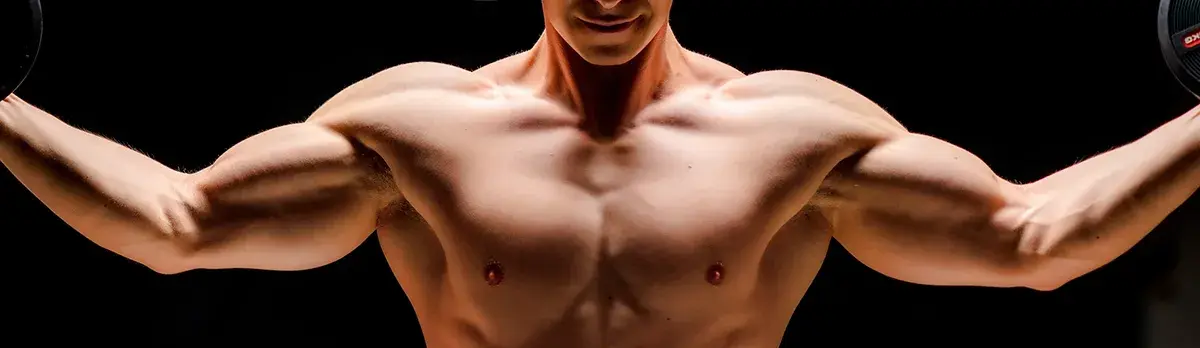
* Illustrative images on this page are models, not actual patients. Real patient results are shown in our Before & After gallery.
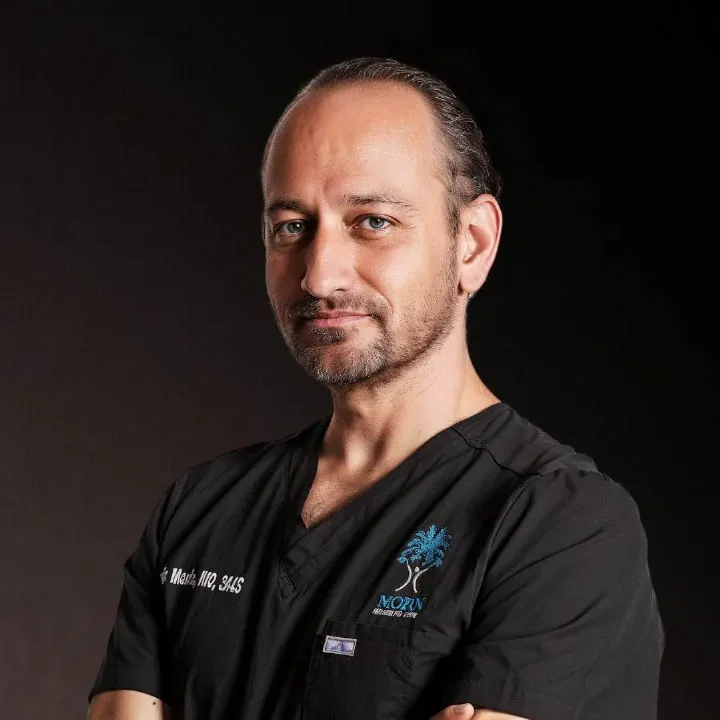
Dr.Babak Moeinolmolki
LA Cosmetic Surgeon Dr. Moein is board-certified by the American Board of General Surgery.