


Table of Contents
- The Short Answer: Recurrence Is Uncommon When the Gland Is Fully Removed
- True Recurrence vs. Fat Regain: Two Different Things
- Why Gynecomastia Can Come Back
- How Proper Gland Excision and VASER Minimize the Odds
- How to Protect Your Results for the Long Term
- When to See Your Surgeon Again
- Frequently Asked Questions
- About Dr. Babak Moeinolmolki, MD
It is one of the most common questions men ask before booking surgery: if I go through with this, will my chest stay flat, or will the fullness creep back a few years down the road? The concern is understandable. Many men have already tried dieting, training, and waiting it out, only to watch the tissue stubbornly hold on. So the idea of investing in surgery and then seeing gynecomastia return feels like a real risk worth understanding.
Here is the reassuring reality. When gynecomastia surgery is done well, with the glandular tissue properly removed, recurrence is uncommon. Most men who have their chest corrected by a specialist keep their results for the long term. That said, the words “done well” carry a lot of weight, and a handful of specific factors can bring the fullness back or create the appearance that it has returned. Knowing what those factors are is the best way to protect your outcome.
The Short Answer: Recurrence Is Uncommon When the Gland Is Fully Removed
Gynecomastia is the growth of actual glandular breast tissue in men, driven by a shift in the balance between estrogen and testosterone, as described by the Cleveland Clinic. This is different from simple chest fat. During surgery, that firm glandular tissue is excised, and once it is removed, it does not regenerate on its own. Fat cells behave differently, but true breast gland that has been cut out is gone.
This is why the surgical literature reviewed in the National Library of Medicine (StatPearls) describes surgical results as durable and recurrence as low when the excision is complete. The key phrase again is complete excision. A flat, natural contour that lasts depends far more on how thoroughly the gland is addressed during the procedure than on anything you do afterward. That is also why choosing an experienced surgeon matters more for long-term results than almost any other single decision.
True Recurrence vs. Fat Regain: Two Different Things
When a man notices renewed fullness after surgery, it is rarely true glandular regrowth. Far more often it is one of two other situations, and telling them apart is important because the causes and solutions are not the same.
- True recurrence means glandular tissue has grown again. Because removed gland does not come back, genuine recurrence usually points to either tissue that was left behind during an incomplete first surgery, or a strong ongoing hormonal trigger that stimulates new gland growth.
- Pseudogynecomastia (fat regain) is the buildup of fatty tissue in the chest, most often from weight gain. The chest can look fuller, but the underlying cause is fat, not gland. This is technically not a recurrence of gynecomastia at all, even though it can feel like one.
A careful exam can distinguish firm glandular tissue from soft fat, and that distinction guides what to do next. This is also why a hands-on evaluation matters more than a mirror check when you are trying to figure out what you are actually dealing with.
Why Gynecomastia Can Come Back
Understanding the specific reasons the condition returns takes the mystery out of it. In practice, renewed chest fullness after surgery traces back to a short list of causes.
- Residual glandular tissue. If a first surgery removed only part of the gland, the leftover tissue can remain palpable or become more noticeable over time. This is the most common reason men seek revision, and it reflects the original technique rather than any failure on the patient’s part.
- Significant weight gain. Putting on substantial weight adds fat throughout the body, including the chest. This produces pseudogynecomastia rather than true regrowth, but the visual result can be similar.
- Anabolic steroids and SARMs. These are among the strongest triggers for gland growth. They disrupt the estrogen to testosterone balance and can stimulate new glandular tissue even after a clean surgical result. This is a frequent story among bodybuilders and gym-focused men.
- Certain medications. A number of prescription drugs are linked to gynecomastia, and the Mayo Clinic lists categories that include some used for prostate conditions, heart disease, acid reflux, anxiety, and hair loss. Starting one of these after surgery can prompt new tissue growth.
- Underlying hormonal conditions. Low testosterone, thyroid disorders, and liver or kidney disease can all tip hormone levels in a direction that favors breast tissue. If a condition like this goes untreated, it can keep driving the process.
Because steroids and prescription drugs are such common contributors, it is worth being honest with your surgeon about both before your procedure and cautious about restarting either one afterward.
How Proper Gland Excision and VASER Minimize the Odds
The single most effective way to prevent recurrence is thorough surgery the first time. That means directly removing the glandular tissue rather than relying on liposuction alone, since liposuction removes fat but leaves firm gland behind. A technique that combines direct excision of the gland with body contouring addresses both components of the chest at once.
At our practice, gynecomastia surgery pairs precise excision of the breast gland with VASER-assisted liposuction of the chest to sculpt the surrounding fat and blend the contour naturally. Removing the gland is what makes the correction durable. Refining the fat is what makes the chest look athletic and even. When both are done in the same operation, there is less tissue left to cause problems later, and the result holds up.
Dr. Babak Moeinolmolki, MD, FACS, is a double board-certified cosmetic surgeon, certified by the American Board of Surgery (ABS) and the American Board of Cosmetic Surgery (ABCS). His approach emphasizes complete gland removal precisely because it is the foundation of a result that lasts.
How to Protect Your Results for the Long Term
Surgery does the heavy lifting, but a few habits give you the best odds of a permanently flat chest. None of these are complicated, and they matter most in the first year and beyond.
- Keep your weight stable. Avoiding large swings in body weight is the most practical thing you can do to prevent fat from returning to the chest. If you are working through a broader weight journey, structured medical support such as the programs at Healthy Life Bariatrics can help you reach and hold a stable weight.
- Stay away from anabolic steroids and SARMs. This is non-negotiable for men who want lasting results. Even one cycle can be enough to trigger new gland growth.
- Review your medications. If a doctor prescribes something new, ask whether it is associated with breast tissue growth, and mention your surgical history.
- Address hormonal issues. If you have low testosterone, a thyroid problem, or another endocrine condition, work with your physician to keep it managed.
- Follow your aftercare. Wearing your compression garment as directed and keeping your follow-up appointments helps the tissue settle into its final shape.
When to See Your Surgeon Again
If you notice new firmness, tenderness, or asymmetry months or years after surgery, do not assume the worst. Have it evaluated. A quick exam can determine whether you are dealing with residual gland, new fat, or a hormonal trigger, and the answer shapes the plan. In the uncommon cases where correction is needed, gynecomastia revision surgery can refine the contour and remove any remaining or regrown tissue. The goal is always the same: a flat, masculine chest you do not have to think about.
Frequently Asked Questions
Does gynecomastia grow back after surgery?
Usually it does not. The glandular tissue removed during surgery does not regenerate, so a properly performed excision produces a lasting result. Renewed fullness is far more often caused by weight gain or a new hormonal trigger than by true regrowth of the gland.
What is the difference between true recurrence and pseudogynecomastia?
True recurrence is the growth of actual glandular breast tissue, which is uncommon after complete removal. Pseudogynecomastia is the buildup of fat in the chest, usually from weight gain. Both can make the chest look fuller, but only one involves gland, and a physical exam can tell them apart.
Can weight gain cause gynecomastia to come back?
Significant weight gain can add fat to the chest and create the appearance of returned gynecomastia. This is pseudogynecomastia rather than true recurrence, since the gland itself was removed. Keeping your weight stable is one of the most reliable ways to preserve your results.
Will taking steroids or SARMs again cause gynecomastia to return?
It can. Anabolic steroids and SARMs are among the strongest triggers for glandular growth because they disrupt the balance between estrogen and testosterone. Men who want their results to last should avoid these substances entirely, even after a successful surgery.
How long does it take to know if my results are permanent?
The chest continues to settle for several months as swelling resolves and tissues heal. Most men see their final contour within a few months to a year. Because removed gland does not return, a clean result at that point is typically stable for the long term, provided weight and hormones stay steady.
Can medications cause gynecomastia to recur?
Yes. Several prescription drugs are associated with gynecomastia, including certain medications for prostate health, heart disease, reflux, anxiety, and hair loss. If you start a new medication after surgery, tell your prescriber about your history and ask whether the drug is linked to breast tissue growth.
What can I do to keep my chest flat after surgery?
Maintain a stable weight, avoid anabolic steroids and SARMs, review any new medications with your doctor, manage underlying hormonal conditions, and follow your surgeon’s aftercare instructions. These habits give you the best chance of a permanently flat, natural-looking chest.
Is revision surgery possible if gynecomastia comes back?
Yes. If residual or regrown tissue is present, revision surgery can remove it and refine the contour. A thorough evaluation first determines whether the issue is gland, fat, or a hormonal cause, so the corrective plan targets the real problem.
* Illustrative images on this page are models, not actual patients. Real patient results are shown in our Before & After gallery.
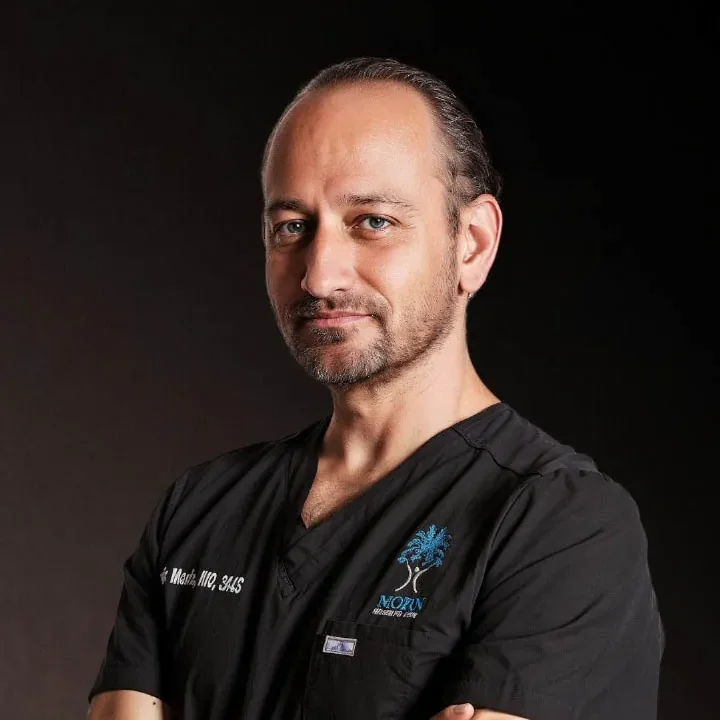
Dr.Babak Moeinolmolki
LA Cosmetic Surgeon Dr. Moein is board-certified by the American Board of General Surgery.