



Table of Contents
- What is Gynecomastia?
- Recognizing Symptoms and Diagnosis of Gynecomastia
- Transform Your Life With Gynecomastia Surgery
- Non-Surgical Treatment Options for Grade 1 Gynecomastia
- Surgical Treatment for Grade 1 Gynecomastia
- Conclusion: Grade 1 Gynecomastia Treatment
- Expert Gynecomastia Surgeon for Grade 1 Gynecomastia Surgery in Los Angeles
Grade 1 gynecomastia occurs in 30-40% of males and is the least severe form, as the mass is less than 250g and the skin folds normally. This is the most effectively treated stage, with a 95% success rate during the first 6-12 months.
Considering treatment in person? See our complete guide to gynecomastia surgery in Los Angeles, or book a confidential consultation.
In this guide, you can find out how to effectively cure Grade 1 Gynecomastia. We will outline non-surgical treatments, lifestyle changes (success rate: 40-50%), hormone regulation, and medications such as Selective Estrogen Receptor Modulators (Tamoxifen and Raloxifene), which can cure 60-70% of Grade 1 cases within 3 months. If non-surgical treatments do not work, we will outline minimally invasive surgical options.
As a gynecomastia clinic in Los Angeles, we have handled many grade 1 cases on an individual basis at our facilities. Using this guide, you can determine what treatments are available to you, whether you opt for our non-surgical 3-month plan or more complex surgical procedures.
| Situation | Most likely issue | Best next step | When to consider surgery |
|---|---|---|---|
|
Early / Tender New or tender lump behind the nipple (recent onset) |
Active gland stimulation | Review medications/supplements, assess triggers, focused exam ± labs; consider early medical therapy in select cases. |
If persistent after a structured trial, or clearly gland-dominant despite conservative care.
|
|
Stable / Long-standing Puffy nipples stable for months/years |
Fibrotic gland tissue | Confirm gland vs fat (exam ± imaging if needed); lifestyle may improve overall shape but may not remove firm gland. |
When appearance persists and the patient wants definitive correction.
|
|
Mostly Soft Fullness Soft chest fullness with weight-gain pattern |
Pseudogynecomastia (fat) | Weight stabilization + fat-loss strategy; reassess chest contour after consistent progress. |
If contour remains despite stable weight and good lifestyle effort; liposuction may be considered for residual fat.
|
|
Axillary Component Fullness extends toward the armpit |
Axillary tissue component | Evaluate chest + axillary area together; plan may need both zones for balanced contour. | If it remains after non-surgical measures or is clearly structural and bothersome. |
Table Of Contents:
- Understanding Gynecomastia Grades
What is Gynecomastia?
Gynecomastia refers to the actual growth of glandular breast tissue, rather than fat. This is relevant since the approach to the issue can differ depending on whether the breast is glandular, fatty, or a combination of both. For a better understanding of similar patterns, please take a look at our Male Chest Types Guide.
It may involve one side or both, and its intensity may vary. These variations may include:
Normal hormone shifts: (especially during adolescence and later adulthood)
Medications and supplements: Certain drugs and supplements can stimulate breast gland tissue,
Underlying health conditions: that influence hormones
Anabolic steroid exposure: steroid side effects can trigger or worsen puffy nipples and gland growth.
Recognizing Symptoms and Diagnosis of Gynecomastia
Gynecomastia develops as a result of estrogen levels rising in the body or a drop in the level of testosterone. Gynecomastia is a non-harmful, benign condition. However, it may be a symptom or indicator of underlying health issues that require further consideration.
The problem may occur in one or both breasts, sometimes unevenly. Some medications are known to be contributing factors to this condition – let’s consider steroids used in bodybuilding – while natural changes in hormone levels in an individual during various phases of life, for example, during puberty or old age, can also lead to this condition.True gynecomastia is not only the accumulation of fatty tissue in the breast tissue.
Symptoms of Gynecomastia
Gynecomastia can occur subtly, although in most instances, it exhibits clear warning signs. There could be a hard lump or noticeable breast enlargement in the back of the nipple, nipple tenderness, or persistent nipple swelling. This could occur on one breast or on the bilateral sides unevenly. In an advanced stage, the breast skin may begin to sag due to increased breast size.
Although the presence of these symptoms may indicate other diseases, it is not safe to rely on self-diagnosis. The diagnosis usually involves assessing any medications and supplements being used, exposure to steroids, and recent changes in body weight. Following that is the focused clinical exam to identify the nature of the tissue and any asymmetries. If required, blood work for hormone levels and imaging studies, especially an ultrasound, may follow.
Blood Tests & Imaging
Blood tests can be administered to assess hormone concentrations following a physical exam. High estrogen levels and low male hormones or testosterone can cause gynecomastia.
Ultrasound or MRI scans may be performed to provide a more in-depth look at the breast tissue.
Key Takeaway:
Gynecomastia Detection: Be aware of any breast enlargement, pain, or lumps, as these could be indicative of gynecomastia. However, as already mentioned, do not try to diagnose yourself. Diagnosis entails an analysis of your lifestyle and medications, along with a physical exam, which can be 90% accurate. Gynecomastia may be occurring in your life. Gynecomastia symptoms are vital. Keep reading.
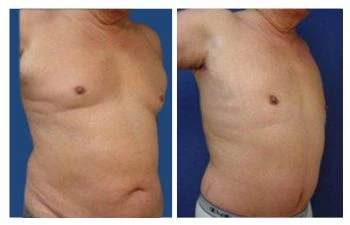
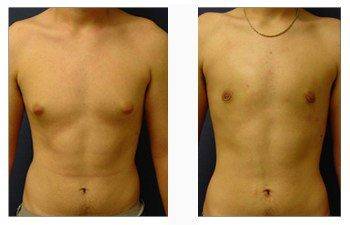
The Grading System for Gynecomastia and the Stages of Gynecomastia
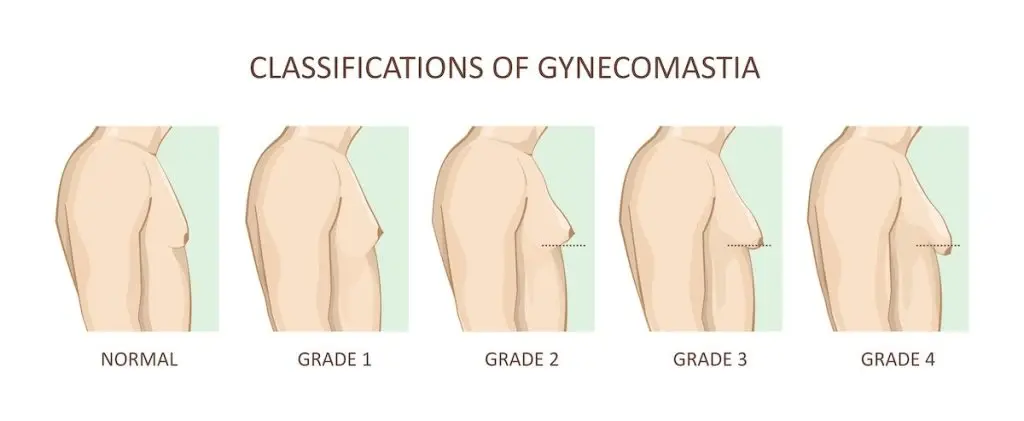
To better understand this condition’s severity and provide appropriate treatment options, doctors use a grading system ranging from Grade 1 gynecomastia to Grade 4 gynecomastia. (Key Stat: 1)
- Grade 1: This is the mildest form characterized by small enlargement without skin redundancy. At this stage, you’re likely dealing with minor puffy nipples rather than significant chest protrusion. This is grade 1 gynecomastia.
- Grade 2: This grade indicates moderate breast enlargement without skin redundancy. In Grade 2, the chest begins to take on a more feminine appearance.
- Grade 3 and Grade 4: These are severe forms of gynecomastia with visible excess skin. At this point, most men seek medical or surgical help as it affects their confidence and daily life.
Key Takeaway:
How a person perceives their body. Understanding the root causes, recognizing symptoms, and seeking professional help for diagnosis and treatment options can go a long way in managing this condition. Remember that you’re not alone; there’s support to guide you through your journey.
Transform Your Life With Gynecomastia Surgery
Non-Surgical Treatment Options for Grade 1 Gynecomastia
Surgery may seem like the only way out if you grapple with gynecomastia. But it’s not. Non-surgical methods can also help manage this condition effectively. Let’s explore some of these options.
Lifestyle Changes and Exercise
The first line of action to treat gynecomastia is often a combination of lifestyle changes and exercise. Men can reduce excess breast tissue by losing weight, resulting in a more masculine chest contour.
However, while weight loss can reduce the fatty component of male breasts, it does little to address glandular tissue, the real culprit behind true gynecomastia. For that reason, pairing your new fitness regimen with chest-targeted strength training could be beneficial.
A well-rounded approach combining cardio workouts for overall body fat reduction with specific exercises such as push-ups or bench presses targeting the pectoral muscles will offer the most tremendous benefits. Here are some great tips for getting started with proper exercise.
Medication Options for Grade 1 Gynecomastia
In addition to adopting healthier habits through diet and exercise regimes, medications present another avenue worth exploring when dealing with gynecomastia—particularly those drugs known as aromatase inhibitors or selective estrogen receptor modulators (SERMs).
Aromatase inhibitors, typically used in treating breast cancer (source), block the enzyme aromatase, which converts androgens into estrogens. This way, these medications can lower estrogen levels in men suffering from gynecomastia.
Selective Estrogen Receptor Modulators like Tamoxifen or Raloxifene also yield promising results (study). SERMs bind to estrogen receptors in breast tissue, preventing the hormone’s effects without lowering its level. This action helps reduce excess glandular tissue characteristic of gynecomastia.
But let’s remember that…
Key Takeaway:
Don’t fret if you’re battling gynecomastia – surgery isn’t the only option. Embrace lifestyle changes and targeted exercises to shed excess fat tissue in your chest. Pair this with strength training for the best results. Also, explore medication options such as aromatase inhibitors or selective estrogen receptor modulators (SERMs) to help reduce estrogen levels and glandular tissue.
Surgical Treatment for Grade 1 Gynecomastia
When lifestyle modifications, exercise, and medications have not achieved the desired outcome for reducing gynecomastia symptoms, it could be time to look into surgical treatment. The goal of surgery is simple – remove excess breast tissue and fat from your chest.
Understanding Male Breast Reduction Surgery
Male breast reduction surgery has the goal of creating a flattened, masculine chest topology either by removing glandular tissue, excess fat, or a combination of both. The surgical approach largely depends on individual anatomy, the extent of glandular tissue, and the presence of loose skin.
In most cases, the surgeon uses the least conspicuous approach to remove the hardened glandular tissue through an incision along the edge of the areola. When excessive fat is also causing fullness in the breast, liposuction is performed through very tiny incisions.
In some cases of gynecomastia, the overlying skin contracts adequately after excision of glandular tissue. In patients with marked skin redundancy (common in advanced cases or in those who have lost substantial tissue), other gyno surgery may also be proposed, including removal of excess tissue and/or repositioning of the nipple.
Grade 1 Gynecomastia Surgery Cost and Risk
Often, price is a concern for several of the patients we treat. As an investment in care, the solution will go beyond just the surgery, and gynecomastia does impact self-confidence, clothing choices, and everyday life. Cost breakdowns are available in more detail in our gynecomastia surgery costs section of the Los Angeles guide.
Key Takeaway:
When diet, exercise, and medication have little effect on Grade 1 gynecomastia, surgery can be the most reliable course of action. The idea here would be to create a flatter, more masculine chest by removing dense glandular tissue (usually via an inconspicuous incision around the areola) and, if necessary, defining fatty tissue through liposuction. A good cosmetic surgeon would assess how well the chest can be contoured, without any crater defect beneath the areola, and, in certain situations, use fat transplants for additional help. Prices would depend on the type of surgery required.
Conclusion: Grade 1 Gynecomastia Treatment
Unraveling the mystery of Grade 1 gynecomastia treatment is no longer intimidating. You now know the causes and grade classification associated with gynecomastia.
You have learned that lifestyle interventions and exercise can help resolve issues of excess breast tissue. Pharmaceuticals, such as selective estrogen receptor modulators, play an essential role in non-surgical interventions.
However, in some cases, gynecomastia surgery may also prove necessary to remove glandular or fatty tissue when other options do not go as planned. Before you reach any conclusion, it is essential to understand the risks and costs associated with surgery.
Always remember that identifying the signs when they first appear helps create a treatment regimen that will be more effective. You must look out for any abnormal changes in your body, as your well-being is of the highest importance.
Expert Gynecomastia Surgeon for Grade 1 Gynecomastia Surgery in Los Angeles
Dr. Moein is a highly skilled and experienced gynecomastia surgeon specializing in Grade 1 gynecomastia surgery, offering men a tailored approach to address this common yet often overlooked condition. With an exceptional background in cosmetic and reconstructive surgery, Dr. Moein utilizes advanced techniques to deliver precise and natural-looking results, helpiاng patients restore their confidence and achieve a more masculine chest contour. His expertise and dedication have made him a trusted name in gynecomastia surgery across Los Angeles.
Find Out More: Gyno Grades
* Illustrative images on this page are models, not actual patients. Real patient results are shown in our Before & After gallery.
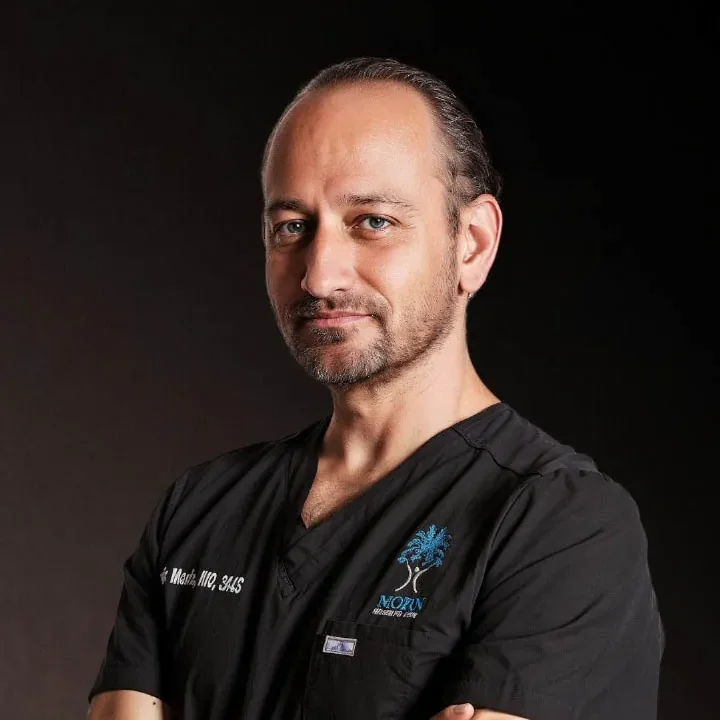
Dr.Babak Moeinolmolki
LA Cosmetic Surgeon Dr. Moein is board-certified by the American Board of General Surgery.