


Table of Contents
- How Gynecomastia Grade and Surgical Complexity Influence Pricing
- What an All-Inclusive Surgical Quote at Gynecomastia Centers of Los Angeles Truly Covers
- The Reality of Health Insurance Coverage for Male Chest Reduction
- Patient Safety, Clinical Parameters, and Recovery Timelines
- Medical Financing Options and Long-Term Value
- Frequently asked questions
- Talk to a Los Angeles surgeon
- About Dr. Babak Moeinolmolki, MD
Gynecomastia surgery cost in Los Angeles depends primarily on the anatomical grade of breast enlargement, the surgical technique required, and the anticipated operating room time. At Gynecomastia Centers of Los Angeles, we believe in complete financial transparency, packaging surgeon fees, board-certified anesthesia, and facility costs into a single, all-inclusive quote without surprise hospital bills. Understanding the clinical factors that influence your procedure allows you to plan your treatment with clarity and confidence.
How Gynecomastia Grade and Surgical Complexity Influence Pricing
Gynecomastia is not a uniform condition, and surgical planning must adapt to the unique tissue characteristics of each patient. Plastic surgeons utilize the Simon classification system, which categorizes male breast enlargement into 4 distinct clinical grades based on breast volume and skin laxity. Because surgical fees correlate directly with operative time, technical complexity, and instrumentation, your anatomical grade serves as the primary determinant of your total surgical investment.
Grade 1: Minimal Enlargement
Grade 1 presents as localized, firm glandular tissue concentrated directly beneath the areola without excess skin. Correcting this grade typically requires direct subareolar excision through a discreet periareolar incision. Because this procedure involves limited dissection and requires shorter operative time (often under 60 minutes), it sits at the most accessible tier of surgical pricing.
Grade 2: Moderate Enlargement
Grade 2 represents moderate breast enlargement. In Grade 2A, the tissue is predominantly fibrous or fatty without redundant skin. In Grade 2B, there is moderate enlargement accompanied by marginal skin excess. These cases frequently require a hybrid approach combining targeted power-assisted liposuction to sculpt the chest contours and direct sharp excision to eliminate dense glandular tissue. The dual-modality approach extends operative time to approximately 90 minutes to 2 hours, reflecting a moderate pricing tier.
Grade 3 and Grade 4: Severe Enlargement with Skin Redundancy
Grade 3 and Grade 4 represent substantial breast enlargement resembling female ptosis, characterized by significant glandular hyperplasia, diffuse adipose deposition, and stretched, redundant skin. Correcting these advanced grades requires extensive gland resection, circumferential liposuction, and surgical skin excision or mastopexy to reposition the nipple-areolar complex. These complex reconstructions can require 3 to 4 hours in the operating suite and represent the highest pricing tier due to the specialized surgical expertise, extended anesthesia duration, and advanced tissue management involved.
What an All-Inclusive Surgical Quote at Gynecomastia Centers of Los Angeles Truly Covers
When researching surgical options in Southern California, prospective patients frequently encounter fragmented pricing structures. A low initial quote may seem appealing until separate invoices arrive for operating room rentals, anesthesiologist hourly rates, and post-operative supplies. At Gynecomastia Centers of Los Angeles, we adhere strictly to an all-inclusive pricing model, providing complete cost transparency before you ever schedule your procedure.
A genuinely comprehensive surgical package should account for every facet of your surgical pathway. Our all-inclusive fee structure covers:
- Surgeon Fee: The dedicated professional fee for your board-certified surgeon, encompassing pre-operative planning, intra-operative execution, and all clinical decision-making.
- Accredited Surgical Facility: Access to a state-of-the-art, AAAHC-accredited ambulatory surgery center featuring hospital-grade sterilization protocols and modern monitoring equipment.
- Board-Certified Anesthesiologist: The professional services of a physician anesthesiologist (MD) dedicated exclusively to monitoring your vital signs, comfort, and airway throughout the procedure.
- Custom Medical Garments: Medical-grade post-operative compression garments designed to minimize seroma formation, control edema, and support optimal skin retraction.
- Histopathology Examination: Routine laboratory evaluation of excised glandular tissue by a dedicated pathologist to confirm benign histology and ensure patient safety.
- Post-Operative Care: Comprehensive post-operative follow-up visits spanning 1 full year, ensuring your healing, scar maturation, and aesthetic contour progress as planned.
By encompassing all surgical components into one cohesive figure, patients avoid the stress of ancillary billing and can focus entirely on preparation and uneventful recovery.
The Reality of Health Insurance Coverage for Male Chest Reduction
One of the most frequent questions we address during initial clinical consultations is whether private commercial health insurance will offset the cost of male breast reduction. In the overwhelming majority of cases, health insurance providers classify gynecomastia correction as an elective cosmetic procedure and deny coverage. Understanding the strict clinical criteria insurers impose will save you time, administrative frustration, and unexpected out-of-pocket delays.
Insurance carriers typically maintain rigorous medical necessity criteria that are exceptionally difficult to satisfy. Generally, approval requires:
- Documented persistent gynecomastia persisting for at least 12 to 24 months following the completion of puberty.
- Comprehensive endocrine blood work ruling out underlying thyroid disorders, pituitary tumors, hypogonadism, or renal dysfunction.
- Proof of cessation of any medications, supplements, or recreational compounds known to induce breast enlargement.
- A documented trial of medical therapy, such as selective estrogen receptor modulators, spanning 6 to 12 months with documented failure to achieve regression.
- Substantiation of severe, unremitting physical symptoms, such as intractable pain or chronic intertriginous skin ulceration that has failed conservative dermatologic treatment.
Psychological distress, social anxiety, and postural compensations, while profoundly impactful to a man’s quality of life, are almost universally excluded as qualifying criteria by major insurers. Furthermore, even in the rare instances where an insurer authorizes glandular excision, they routinely exclude the liposuction and contouring components of the operation, categorizing them as cosmetic. As a result, roughly 95% of our patients elect to proceed through private, self-pay arrangements, which bypass months of bureaucratic delays and allow for superior, uncompromised aesthetic results.
Patient Safety, Clinical Parameters, and Recovery Timelines
Surgical pricing directly reflects patient safety standards and the specialized protocols necessary to deliver predictable outcomes. Board-certified plastic surgeons do not compromise on patient selection or intra-operative safety to reduce operational overhead. A successful outcome depends heavily on establishing ideal candidate parameters before entering the operating room.
Clinical candidacy criteria include:
- Body Mass Index (BMI): Optimal candidates maintain a BMI under 32. While mild elevation does not preclude surgery, substantial adiposity increases anesthetic risks, predisposes patients to hematoma, and compromises chest contour definition.
- Stable Weight History: Candidates should demonstrate a stable weight for at least 6 months. Fluctuations greater than 10 to 15 pounds post-surgery can alter aesthetic contours and compromise outcomes.
- Tissue Maturity: While gynecomastia affects up to 60% of adolescent males, hormonal breast tissue frequently resolves spontaneously. Surgical intervention is typically deferred until 18 years of age unless enlargement is severe and psychologically debilitating.
- Nicotine Cessation: Patients must abstain from all nicotine products, including vaping and patches, for at least 4 weeks before and after surgery to ensure adequate microvascular perfusion to the nipple-areola complex.
Recovery is structured, predictable, and comparatively rapid for healthy non-smokers. Most patients transition off prescription analgesics within 48 to 72 hours, managing residual soreness with over-the-counter options. Desk workers typically return to remote or light office duties within 3 to 5 days. Light cardiovascular exercise, such as walking, can resume at 2 weeks, while strenuous weight lifting, chest presses, and high-impact sports must be restricted for 4 to 6 weeks to protect healing tissues and prevent fluid accumulation.
Medical Financing Options and Long-Term Value
Because male chest reduction is rarely covered by commercial insurance, many patients utilize flexible healthcare financing to budget their procedure responsibly. Investing in chest masculinization produces permanent anatomical improvements that translate into enhanced confidence, improved posture, and total freedom in clothing selection. Structuring this investment through manageable monthly installments makes definitive surgical treatment readily accessible.
Gynecomastia Centers of Los Angeles partners with established medical financing institutions, including CareCredit and Alphaeon Credit. These specialized healthcare lenders offer clear, competitive plans designed around personal budgets, featuring:
- Promotional No-Interest Financing: Short-term plans spanning 6, 12, or 18 months that accrue zero interest when the principal balance is paid in full within the agreed promotional window.
- Extended Fixed-Rate Terms: Long-term plans ranging from 24 to 60 months with predictable, fixed monthly payments and transparent interest rates, ideal for spreading the investment across several years.
- Pre-Qualification Without Credit Impact: Soft credit inquiries that permit patients to review customized loan options and interest tiers without impacting their formal credit score.
Additionally, patients with high-deductible health plans may be eligible to utilize Health Savings Accounts (HSA) or Flexible Spending Accounts (FSA) to cover surgical costs if their treating physician provides documentation that glandular excision was indicated for chronic symptomatic relief. Our financial coordinators assist each patient individually, evaluating payment alternatives and structuring a plan that aligns comfortably with your economic objectives.
Frequently asked questions
Why do surgery quotes vary between different practices in Los Angeles?
Pricing variations reflect surgeon specialization, surgical setting, and anesthesia qualifications. Practices advertising unusually low rates may use local anesthesia in an office setting, employ non-physician anesthetists, or issue separate bills later for operating room and pathology fees.
Can diet and targeted exercise eliminate the need for gynecomastia surgery?
Diet and exercise reduce generalized chest adiposity but cannot dissolve true glandular breast tissue. True glandular tissue is biologically non-responsive to caloric restriction, meaning surgical excision is the only definitive method to remove firm, fibrous breast tissue.
Are the results of male chest reduction surgery permanent?
Yes, excised glandular tissue cannot regenerate once surgically removed. Provided you avoid significant weight gain (greater than 20 pounds) and abstain from testosterone-altering anabolic steroids or certain medications, your newly contoured, masculine chest profile will remain permanent.
How long must I wear the compression garment after surgery?
Most patients wear their medical compression vest 24 hours per day for the first 3 to 4 weeks, removing it only to shower. After that initial period, many transition to wearing the garment part-time or during physical exertion for an additional 2 weeks to eliminate residual swelling.
Can I use funds from an HSA or FSA to pay for my procedure?
You may be able to utilize HSA or FSA funds if your primary physician or surgeon can substantiate that the surgical removal of glandular tissue is medically necessary for chronic, symptomatic pain rather than strictly cosmetic contouring. Always verify specific reimbursement criteria with your plan administrator prior to surgery.
How soon after gynecomastia surgery can I resume working out?
Light walking is encouraged immediately following surgery to promote venous circulation, but gym workouts and aerobic exercise must be avoided for at least 2 weeks. Heavy chest exercises, bench pressing, and contact athletics must be deferred for 4 to 6 weeks to prevent bleeding or internal scarring.
Talk to a Los Angeles surgeon
If this sounds like your situation, a focused consultation gives you a clear, personalized answer. Learn more on our gynecomastia surgery page, review insurance coverage for gynecomastia, or book a consultation.
Sources: NIH StatPearls: Gynecomastia; American Board of Cosmetic Surgery.
—
**Connected:** [[20 Areas/Marketing/Blog Editorial Calendar/_README|Blog Editorial Calendar]] · [[10 Projects/Blog Publishing Pipeline — 2026/00 README|Blog Publishing Pipeline]]
* Illustrative images on this page are models, not actual patients. Real patient results are shown in our Before & After gallery.
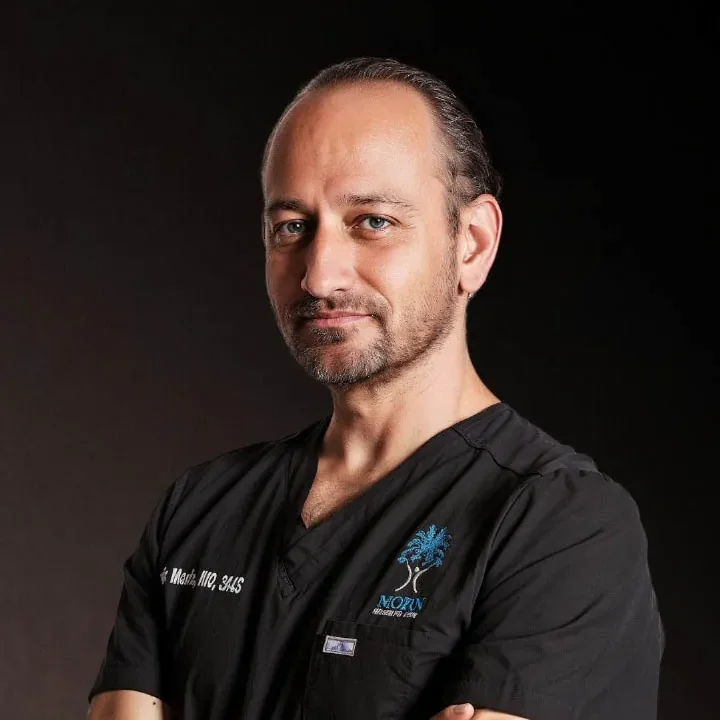
Dr.Babak Moeinolmolki
LA Cosmetic Surgeon Dr. Moein is board-certified by the American Board of General Surgery.