

Table of Contents
Of all the revision cases that come through my Los Angeles gynecomastia practice, one story repeats more than any other: a man had chest liposuction — sometimes at a med spa, sometimes from a general cosmetic practice — and months later the puffiness is still there. Smaller, maybe. But the dome under the nipple survived, and now there’s loose skin on top of it. He didn’t get a bad surgeon; he got the wrong operation. Here is why liposuction alone fails for most true gynecomastia, and what a complete correction actually involves.
Gland and Fat Are Different Tissues — and Only One Suctions
Male chest fullness is built from two materials. Fatty tissue is soft, diffuse, and yields to a liposuction cannula easily. Glandular breast tissue — and yes, every man has some — is dense, fibrous, and rubbery, anchored directly beneath the areola. A cannula that glides through fat essentially bounces off gland; you cannot reliably suction tissue with that much fibrous structure. True gynecomastia is, by definition, glandular proliferation — the NIH’s StatPearls review of gynecomastia distinguishes it explicitly from pseudogynecomastia, which is fat alone. Most men bothered enough to seek surgery have a mix of both. Suction the fat and leave the gland, and you’ve deflated the chest around a firm central mound — which is exactly the “still puffy after lipo” result that fills my revision schedule.
How to Tell What Your Chest Is Made Of
A reasonable self-check: pinch the tissue directly behind the areola between two fingers. Diffuse softness that feels like the fat at your flank suggests pseudogynecomastia. A firm, rubbery disc — often slightly tender, distinctly denser than surrounding tissue — is gland. On examination I confirm this by feel, occasionally with ultrasound, and grade the chest by tissue type, skin quality, and sag. That grading is the entire operative plan: fat-dominant chests can occasionally do well with lipo alone, gland-dominant chests need excision as the centerpiece, and mixed chests — the majority — need both done together.
Lipo Alone vs. Complete Correction
| Liposuction alone | Lipo + gland excision | |
|---|---|---|
| Removes fat | Yes | Yes — VASER-assisted in my practice |
| Removes gland | No — fibrous tissue resists suction | Yes, directly through a periareolar incision |
| Puffy nipple result | Frequently persists or worsens by contrast | Corrected at the source |
| Right for | True pseudogynecomastia (fat only) | True and mixed gynecomastia — most surgical candidates |
| Added scar | None beyond port sites | Fine line at the lower areolar border, typically near-invisible |
| Revision rate in my practice | The #1 source of incoming revisions | Low |
What a Complete Gynecomastia Operation Looks Like
In my operating room the sequence is deliberate. First, VASER liposuction debulks the fatty component and feathers the edges so the chest transitions smoothly into the shoulder and abdomen — ultrasound energy also makes the gland easier to define. Second, through a small incision along the lower border of the areola, I excise the glandular disc directly, leaving a thin protective layer so the nipple doesn’t crater. Third, in patients with borderline skin elasticity, Renuvion’s plasma energy tightens the envelope from the inside. The result is a chest that’s flat, not just smaller — and critically, flat at the areola, where lipo-only operations fail. The American Society of Plastic Surgeons describes gynecomastia correction the same way: excision techniques are recommended where glandular tissue or excess skin must be addressed, with liposuction as the companion, not the substitute.
If You’ve Already Had Lipo-Only Surgery
The residual gland doesn’t dissolve, and waiting rarely improves it — but the fix is routine for a specialist. Gynecomastia revision surgery for a lipo-only result usually means completing the missing step: excising the retained gland, often with skin-tightening support since the envelope has been deflated once already. I ask revision patients to wait at least six months from their first procedure so swelling and scar tissue settle, then reassess with fresh eyes. It’s also worth saying: if your original problem was genuinely fat-only and lipo served you well, that’s not a failed surgery — chest contouring for athletic definition is legitimate work, the kind my body-contouring practice does with male liposuction across the torso. The failure mode is specific: gland treated as if it were fat.
Frequently Asked Questions
Can liposuction alone fix gynecomastia?
Only when the fullness is purely fat — pseudogynecomastia. True gynecomastia involves fibrous glandular tissue that a cannula cannot reliably remove, so lipo-only surgery leaves the firm central mound behind. Most surgical candidates need liposuction and gland excision together.
How do I know if I have gland or just fat?
Pinch directly behind the areola: soft, diffuse tissue suggests fat; a firm, rubbery, sometimes tender disc suggests gland. A specialist confirms by examination — and the distinction determines the entire operative plan, which is why it’s checked before anything is scheduled.
Why are my nipples still puffy after chest liposuction?
Almost certainly retained glandular tissue. The cannula removed the surrounding fat but bounced off the fibrous disc under the areola — and with less fat around it, the gland can look more prominent than before. Completing the excision corrects it.
Does gland excision leave a scar?
A fine incision along the lower border of the areola, placed where pigmented and normal skin meet. In most men it fades to near-invisibility within a year — a trade the vast majority consider trivial next to a permanently flat chest.
Will the gland grow back after excision?
Excised gland does not regenerate. Recurrence is rare and usually tied to an ongoing hormonal driver — anabolic steroid use, certain medications, or untreated endocrine issues — which is why identifying the cause is part of a proper workup before surgery.
How much does revision surgery cost after failed chest lipo?
Revision work in Los Angeles typically runs $8,000–$15,000 depending on scar tissue, skin laxity, and whether tightening technology is needed — often more than doing the complete operation once. It’s the expensive way to learn that gland needs excision.
The Bottom Line
Liposuction is half of gynecomastia surgery, and for most men it’s the smaller half. If a consultation for “chest lipo” doesn’t include an examination of your gland and a plan for removing it, you’re being quoted for the operation that fills revision schedules — mine included. Get the tissue diagnosis first; the right operation follows from it: book a confidential consultation or call (310) 455-8020.
—
**Connected:** [[20 Areas/Marketing/Blog Editorial Calendar/_README|Blog Editorial Calendar]] · [[10 Projects/Blog Publishing Pipeline — 2026/00 README|Blog Publishing Pipeline]]
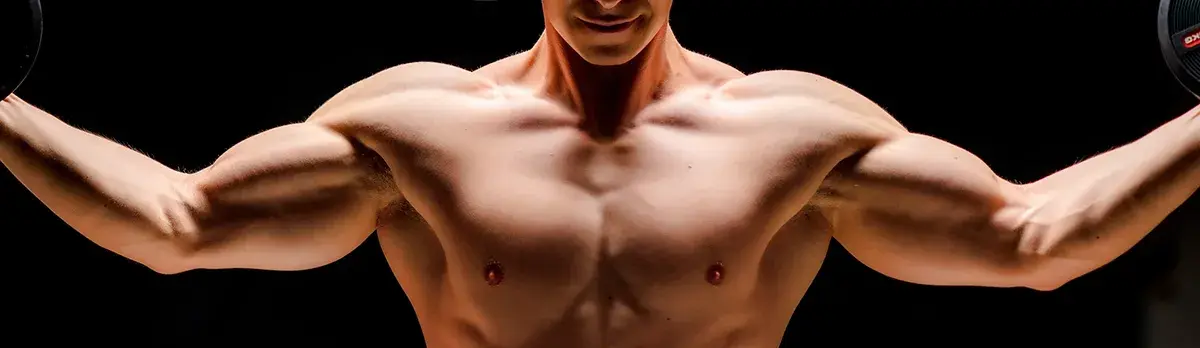
* Illustrative images on this page are models, not actual patients. Real patient results are shown in our Before & After gallery.
A Note About Pricing You See Online
National-average figures quoted in articles — including some on this site — are typically bare-bones estimates: the surgeon's fee alone. They usually exclude the operating facility, anesthesia, pre-op preparation, and aftercare, and they average in every market and every level of experience nationwide.
At Gynecomastia Centers of Los Angeles, your quote is all-inclusive: pre-operative preparation and clearance, the accredited surgical facility, anesthesia, every post-operative follow-up visit, and our scar-management program — performed personally by a double board-certified surgeon in Los Angeles. One price, no surprise add-ons.
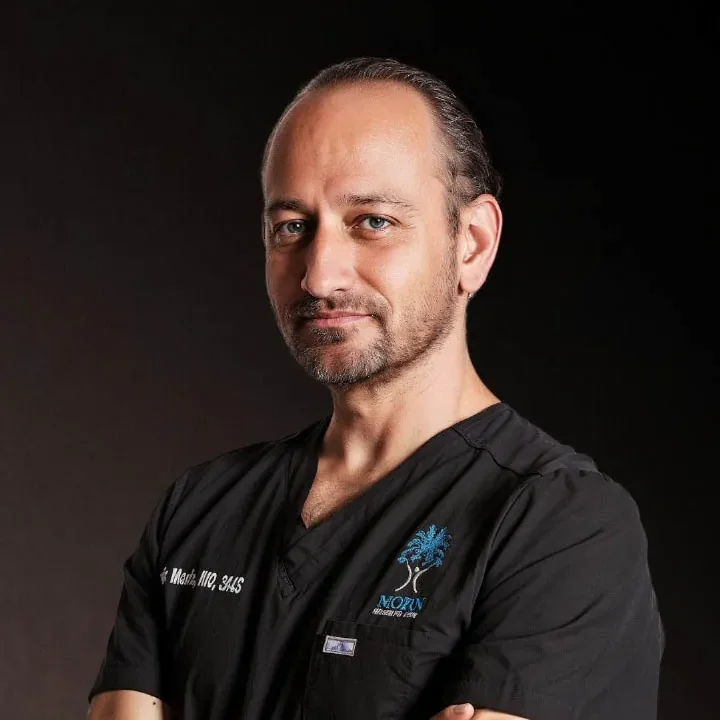
Dr.Babak Moeinolmolki
LA Cosmetic Surgeon Dr. Moein is board-certified by the American Board of General Surgery.