

Table of Contents
- Why does nicotine matter so much in gynecomastia surgery?
- Does vaping count as smoking before gynecomastia surgery?
- What about nicotine pouches, gum, and patches?
- How long before surgery should you stop using nicotine?
- What does nicotine do to healing after gynecomastia surgery?
- When can you use nicotine again after gynecomastia surgery?
- Will your surgeon know if you did not quit?
- What to do next
Nicotine narrows the small blood vessels that feed the skin of your chest, and gynecomastia surgery depends on those vessels to keep your nipple and the surrounding skin alive while the tissue heals. That is why almost every surgical practice asks men to be completely off nicotine for several weeks on either side of the operation. Vaping, pouches, and gum are not loopholes in that instruction.
Most men hear “quit smoking” and assume the warning is about cigarettes. The problem your surgeon is actually trying to avoid comes from the nicotine molecule itself, which means the delivery method matters far less than most patients expect.
Why does nicotine matter so much in gynecomastia surgery?
Nicotine constricts small blood vessels and reduces the oxygen reaching healing tissue. Gynecomastia surgery lifts chest skin away from the underlying gland and fat, so that skin survives on a reduced blood supply for several days afterward. Less oxygen during that window raises the risk of delayed healing, wound separation, and skin loss.
When glandular tissue is removed from behind the nipple, the nipple-areola complex keeps its blood supply through a thin bridge of tissue and the surrounding skin. That bridge is deliberately preserved during the operation, but it carries less flow than the chest did before surgery. Nicotine squeezes exactly the vessel size that bridge depends on.
The stakes are different from a scar on an arm or a leg. A poorly healing incision under the chest fades with time. A nipple that loses its blood supply does not come back, and correcting the result is far harder than preventing the problem. This is the single modifiable risk factor that sits entirely within a patient’s control before surgery.
Carbon monoxide from combustion adds a second problem for smokers by binding to hemoglobin and displacing oxygen. That is why cigarettes are worse than vaping rather than equivalent to it. Both still create the vasoconstriction that causes the trouble.
Does vaping count as smoking before gynecomastia surgery?
Vaping counts. The vessel narrowing that concerns your surgeon comes from nicotine, not only from smoke. An e-cigarette delivers nicotine into the bloodstream within seconds and produces the same constriction of small vessels that a cigarette does, so most practices apply one nicotine rule to both.
Men often disclose that they quit cigarettes and switched to a vape, and they are surprised when that does not clear them for surgery. Many current devices deliver nicotine in salt form at concentrations well above older e-cigarettes, and a patient who vapes steadily through the day may be maintaining higher blood nicotine levels than he did as a smoker.
Zero-nicotine vape liquid is a different question and worth raising directly with your surgeon rather than assuming either way. Labeling on these products is inconsistent, and your surgeon may prefer you stop entirely so there is no uncertainty during the healing window.
What about nicotine pouches, gum, and patches?
Pouches, lozenges, gum, and patches all deliver nicotine into the bloodstream, so all of them cause the same vessel narrowing. Some surgeons permit a patch under supervision when the realistic alternative is a patient who continues smoking, because a patch at least removes the combustion byproducts. That call belongs to your surgeon.
Oral nicotine pouches have grown quickly in popularity among men in their twenties and thirties, which is a large share of the gynecomastia surgery population. Many users do not think of a pouch as a tobacco product at all. From a wound-healing standpoint, a pouch is a nicotine delivery device, and it belongs on the list of things you disclose at your consultation.
| Product | Delivers nicotine | Combustion byproducts | Typical surgical guidance |
|---|---|---|---|
| Cigarettes | Yes | Yes, including carbon monoxide | Stop well before surgery |
| Cigars, hookah | Yes | Yes | Stop well before surgery |
| Vapes and e-cigarettes | Yes, often at high concentration | No combustion, other inhaled compounds | Treated the same as cigarettes by most practices |
| Nicotine pouches, gum, lozenges | Yes | No | Usually stopped; disclose use |
| Nicotine patch | Yes, steady release | No | Sometimes allowed under surgeon supervision |
| Cannabis smoked | No nicotine unless mixed | Yes | Discuss separately with your surgeon |
How long before surgery should you stop using nicotine?
Most plastic surgery practices ask for four weeks free of nicotine before surgery and four weeks after, and some ask for longer on both ends. Research on smoking cessation duration and wound healing in reconstructive surgery supports the same direction: longer nicotine-free intervals before an operation are associated with better healing.
Four weeks is a working standard rather than a magic number. The vasoconstriction from a single dose wears off within hours, but the broader effects on small-vessel function and tissue oxygenation take longer to normalize. A review of smoking and wound healing after facial procedures describes the same pattern in soft tissue elsewhere on the body.
If you have been trying to quit and keep slipping, say so before your surgery date rather than after. Moving an operation back by a few weeks is straightforward. Managing a wound that has separated over the incision line is not. Our guide to preparing for gynecomastia surgery covers where nicotine sits among the other preoperative steps.
What does nicotine do to healing after gynecomastia surgery?
After surgery, nicotine slows the formation of new blood vessels into healing tissue and interferes with the collagen deposition that closes an incision. The practical results are incisions that take longer to seal, a higher chance of the wound edges separating, and scars that mature more slowly and often less favorably.
Infection risk rises as well, because tissue with a compromised blood supply delivers immune cells and antibiotics less efficiently. Fluid collections behave differently too. If you want to know what those complications look like in practice, we cover hematoma after gynecomastia surgery and the broader risks of gynecomastia surgery separately.
Scar quality is the outcome most men ask about afterward, and it is directly affected. The incisions used in male breast reduction are small and placed at the edge of the areola or in the crease, and they usually settle well. Nicotine works against that. Our guide to gynecomastia surgery scars explains what normal scar maturation looks like over the first year, and you can see representative outcomes in the before and after gallery.
When can you use nicotine again after gynecomastia surgery?
The riskiest period runs through roughly the first month, when the chest skin is re-establishing its blood supply and the incisions are sealing. Most surgeons ask patients to stay off nicotine for at least four weeks after surgery, and many extend that through the scar maturation period over the following months.
Your surgeon will give you a specific date based on how the operation went, how much tissue was removed, and how your chest is healing at each follow-up. The gynecomastia surgery recovery timeline lays out what else is happening during those same weeks.
Many men who quit for surgery decide not to restart. The operation gives a hard deadline and a concrete reason, which is a more effective combination than most quit attempts have going for them.
Will your surgeon know if you did not quit?
Some practices test for cotinine, a nicotine metabolite detectable in urine or blood for several days after use. Others rely on the conversation at your preoperative visit. Either way, your surgeon needs an accurate answer to plan the operation safely and to decide whether the date should move.
Telling your surgeon that you are still using nicotine is not a confession that gets you turned away permanently. It changes the plan. A surgeon may adjust the technique, take a more conservative approach to how much tissue is lifted, watch you more closely afterward, or postpone the case. All of those are better than an avoidable complication.
The same honesty applies to anabolic steroids, supplements, and anything else that affects bleeding or healing. Men considering chest work as part of a broader male body contouring plan should raise all of it in one conversation rather than piece by piece.
What to do next
Set your quit date before you set your surgery date, and give yourself at least four weeks between them. Tell your surgeon exactly what you use and how often, including pouches and vapes, because the instruction covers every form of nicotine rather than cigarettes alone.
If quitting on your own has not worked, ask your primary care physician about structured support before your consultation. Surgery is a reasonable motivator, and there is no advantage to waiting until the preoperative appointment to start.
Dr. Babak Moeinolmolki, MD, FACS, is certified by the American Board of Cosmetic Surgery (ABCS) and the American Board of General Surgery and performs male breast reduction in Los Angeles. To discuss your chest and what your preparation should look like, request a consultation.
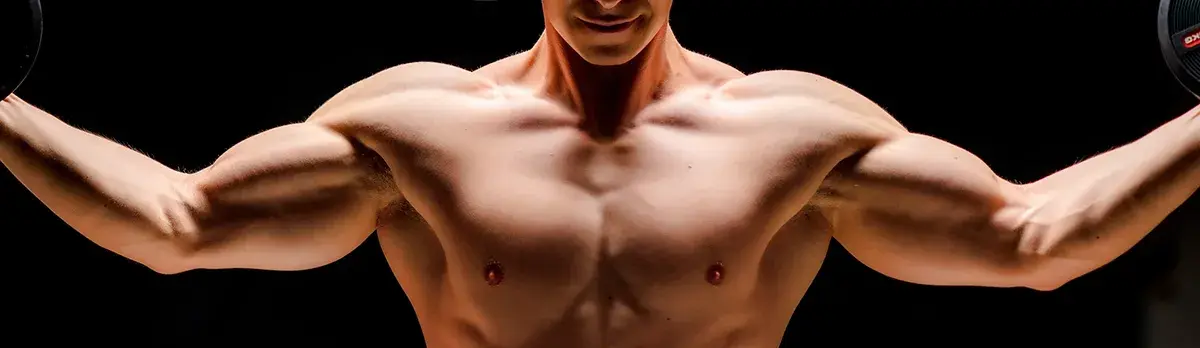
* Illustrative images on this page are models, not actual patients. Real patient results are shown in our Before & After gallery.
Dr.Babak Moeinolmolki
LA Cosmetic Surgeon Dr. Moein is board-certified by the American Board of General Surgery.