

Table of Contents
- Why Numbness Happens After Gynecomastia Surgery
- How Long Does Numbness After Gynecomastia Surgery Last?
- What Does Nerve Recovery Actually Feel Like?
- Is Numbness After Gynecomastia Surgery Permanent?
- Does Surgical Technique Change the Risk?
- When Is Numbness a Warning Sign?
- How to Protect Numb Skin While It Heals
- What to Ask Before Surgery
- The Short Version
Most men lose some feeling in the nipple and lower chest after gynecomastia surgery, and most of that feeling comes back. The nerves that carry sensation to the chest travel through the exact tissue plane where gland and fat are removed, so bruising and stretching them is part of the operation rather than a sign that something went wrong. What varies between patients is how long recovery takes.
Why Numbness Happens After Gynecomastia Surgery
Sensation to the male chest comes from the anterior and lateral cutaneous branches of the intercostal nerves, mainly the third through fifth. These branches run in the fat layer between the skin and the pectoral muscle, and the nipple and areola are supplied largely from the fourth. Gynecomastia surgery works in that same layer. Removing gland and fat means working directly around nerves that are thinner than a thread.
Most of the numbness men notice comes from neurapraxia, a conduction block caused by stretch, swelling, or pressure rather than a cut. The nerve stays in continuity and recovers as the swelling settles. Less commonly a small cutaneous branch is divided, and the skin it supplied stays numb until neighboring nerves take over the territory, which they partly do over months. The NIH StatPearls review of gynecomastia lists altered nipple sensation among the recognized outcomes of male breast reduction.
How Long Does Numbness After Gynecomastia Surgery Last?
Most numbness after gynecomastia surgery improves over six to twelve weeks and keeps improving for up to a year. Sensation usually returns from the outer chest inward, with the nipple and areola recovering last. A minority of men keep a small permanent patch of reduced feeling, most often along the areola border where the incision sits.
The pattern is gradual rather than sudden. Men often describe it as the numb area shrinking week by week, like the edges of a map moving inward, until what remains is a coin-sized patch that either resolves or stops changing.
| Time after surgery | What sensation usually does |
|---|---|
| Days 1 to 7 | Broad numbness across the lower chest and areola. Swelling is at its peak and masks most fine sensation. |
| Weeks 2 to 6 | Outer chest begins to wake up. Tingling, itching, and brief electric sensations start as nerves recover. |
| Weeks 6 to 12 | Most of the chest has usable sensation. Areola and nipple often still dull. Hypersensitivity is common here. |
| Months 3 to 12 | Slow refinement. Remaining numb patches shrink. What is still numb at one year is likely to stay that way. |
What Does Nerve Recovery Actually Feel Like?
Recovering nerves rarely go straight from numb to normal. Men typically pass through tingling, itching, brief shooting or electric sensations, and a period where the skin feels oversensitive to light touch or clothing. These are signs of nerve regeneration rather than complications, and they settle as recovery continues.
The oversensitive phase catches men off guard more than the numbness does. A shirt seam or a seatbelt can feel sharp on skin that was dead quiet two weeks earlier. It passes. If you are tracking your progress against the gynecomastia surgery recovery timeline, expect sensation to lag behind contour by several weeks.
Is Numbness After Gynecomastia Surgery Permanent?
Permanent numbness is uncommon but possible. Most men regain functional sensation across the chest within a year. A small area of lasting change, usually at the areola or along the incision, occurs in a minority of cases. Complete and permanent loss of nipple sensation is rare in standard gynecomastia surgery and is more associated with large skin-excision procedures.
Outcomes vary by individual, and no surgeon can promise a specific sensory result. The honest framing is that sensation almost always improves substantially, and that a small residual patch is a realistic possibility worth accepting before surgery rather than discovering afterward.
Does Surgical Technique Change the Risk?
It does, and the difference tracks with how much dissection the chest needs. A liposuction-only case disturbs less of the subdermal plane than a case requiring gland excision through a periareolar incision, and both are less involved than a case that also removes skin.
| Approach | Typical dissection | Relative sensory disturbance |
|---|---|---|
| Liposuction alone | Cannula tunnels through fat, no open flap | Lowest, usually shortest recovery |
| Liposuction with gland excision | Periareolar incision, gland removed from under the areola | Moderate, areola most affected |
| Excision with skin removal | Larger flaps raised, more cutaneous branches crossed | Highest, longest recovery |
Grade and tissue volume drive that choice more than preference does. A chest with significant glandular tissue will not respond to liposuction alone regardless of how conservative anyone wants to be, which is covered in more detail under gynecomastia surgery planning.
When Is Numbness a Warning Sign?
Numbness by itself, present from the day of surgery and slowly improving, is expected. What deserves a phone call is numbness that changes direction or arrives with other findings.
Call your surgeon if an area that had regained feeling goes numb again, if numbness is accompanied by rapidly increasing one-sided swelling, if the skin over the numb area turns dusky, white, or blistered, or if you develop fever, spreading redness, or drainage. New one-sided swelling with pressure can indicate a fluid collection, which is covered in the discussion of scar tissue and post-surgical changes. Skin color change over a numb area is the one that should prompt a same-day call.
How to Protect Numb Skin While It Heals
The practical risk of a numb chest is that you cannot feel injury to it. Skin that cannot register heat or pressure can be burned or bruised before you notice.
Keep heating pads, hot water bottles, laptops, heat wraps, and hot showers off the numb area until sensation returns. Do not use ice directly on numb skin either. Wear your compression garment as instructed rather than tighter, since extra pressure does not speed nerve recovery and can worsen it. Once your surgeon clears you, gentle scar massage helps desensitize hypersensitive areas. Follow your specific gynecomastia aftercare instructions, since timing for massage and garment weaning varies by case.
Nicotine constricts the small vessels that feed healing nerves. Men who stop nicotine entirely through recovery tend to do better on every measure, sensation included.
What to Ask Before Surgery
Sensation is worth raising at consultation rather than after. Ask which technique your chest needs and why, where the incision will sit relative to the areola, and what the surgeon’s own patients typically report about sensation at three months and at a year. Ask what happens if a numb patch persists.
Men who want a sense of realistic results can review the practice gynecomastia before and after gallery. For men who prefer a male-focused surgical practice, XY Sculpt covers the same procedures in a male-exclusive setting.
The Short Version
Numbness after gynecomastia surgery is expected, follows a predictable arc, and resolves for most men over weeks to months. The nipple is usually the last area to recover. Protect numb skin from heat and pressure while it heals, expect a phase of oversensitivity on the way back, and call your surgeon if numbness reverses course or comes with swelling, fever, or skin color change.
If you are considering surgery or recovering from it and your sensation is not following the pattern described here, that is a reasonable reason to be seen. Consultations with Dr. Babak Moeinolmolki are available in Los Angeles to review your chest and your recovery in person.
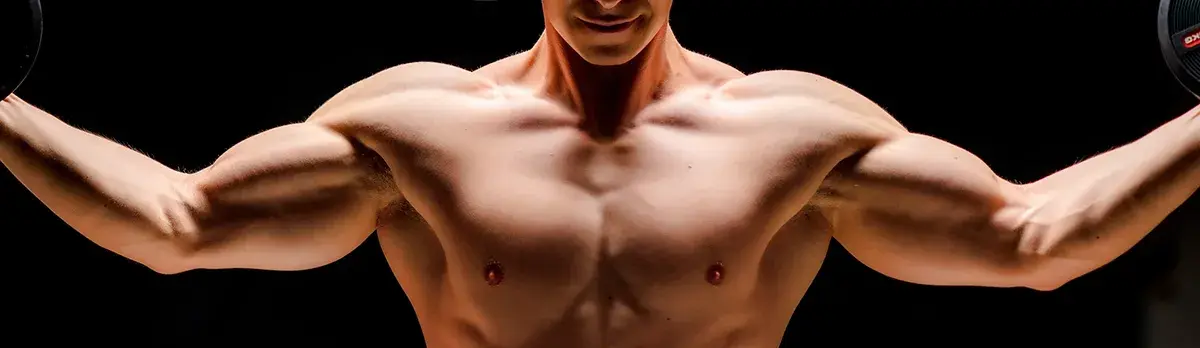
* Illustrative images on this page are models, not actual patients. Real patient results are shown in our Before & After gallery.
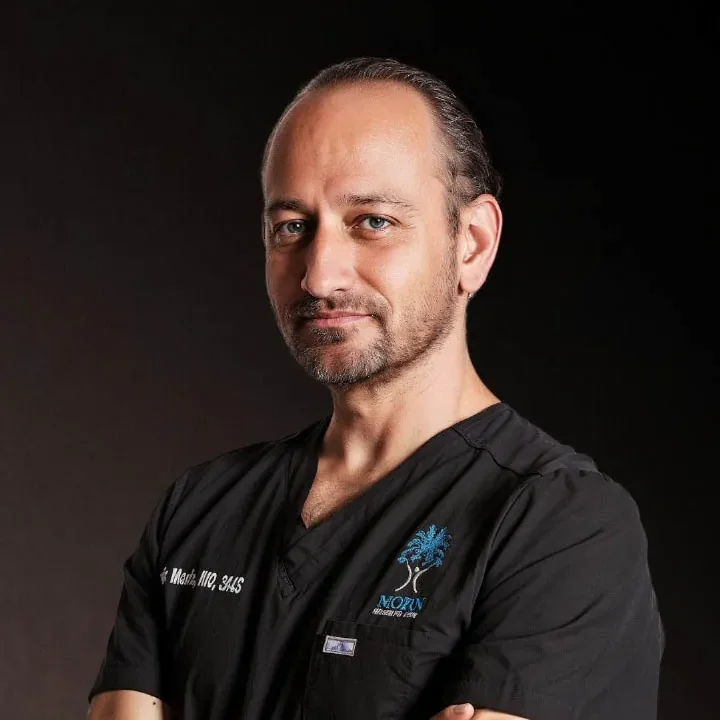
Dr.Babak Moeinolmolki
LA Cosmetic Surgeon Dr. Moein is board-certified by the American Board of General Surgery.