


Table of Contents
A seroma is a pocket of clear fluid that collects in the space where gland and fat were removed, and it is the most common early complication after gynecomastia surgery. Most are small, painless, and resolve on their own. The ones that matter announce themselves as a chest that was getting flatter and then, somewhere around week two, started swelling again on one side.
What a Seroma Actually Is
When the gland and surrounding fat come out of the chest, they leave behind a thin potential space between the skin and the pectoral muscle. Healing closes that space as the skin adheres down onto the chest wall. In the meantime, the injured tissue weeps serous fluid, the straw-colored liquid that separates from blood. If the body produces that fluid faster than it reabsorbs it, or if motion keeps the layers from sticking together, the fluid pools and forms a seroma.
This is a mechanical problem, not an infection. Seroma fluid is sterile in the ordinary case. It becomes a clinical issue for three reasons: a persistent fluid pocket keeps the skin from redraping, it can harden into a fibrous capsule that distorts the final contour, and a large collection under tension is uncomfortable. The NIH StatPearls review of gynecomastia lists seroma and hematoma among the leading early complications of male breast reduction, which matches what I see in gynecomastia surgery practice in Los Angeles.
How Common Is a Seroma After Gynecomastia Surgery?
Seroma is the most frequently reported early complication of male breast reduction, though the majority are small enough to resolve without any intervention. Risk rises with larger tissue volumes, wide undermining of the skin, aggressive early activity, and inconsistent compression. Published complication rates vary widely between surgical techniques and reporting standards.
Technique matters more than most patients expect. A case handled with liposuction alone disturbs less tissue plane than one requiring open gland excision through a periareolar incision, and the risk profile follows accordingly. That difference is part of the discussion in VASER liposuction versus gland excision, because the operation chosen shapes the recovery that follows it.
What a Seroma Feels Like
Patients describe a soft, mobile fullness that shifts when they change position, sometimes with an audible or palpable fluid wave if they press on one edge. It is usually one-sided, which is what makes it noticeable: the chest looks asymmetric in a way it did not a week earlier. Skin over the pocket may feel tight and slightly warm, but it should not be red, hot, or exquisitely tender.
The timing is the clearest signal. Normal post-operative swelling peaks in the first several days and then declines steadily. Swelling that reverses course and increases after day seven to ten deserves a phone call. So does any new firmness that appears after a period of steady improvement.
Seroma, Hematoma, or Normal Swelling?
These three feel different, arrive on different schedules, and carry different urgency. The table below reflects how I sort them in clinic.
| Feature | Normal swelling | Seroma | Hematoma |
|---|---|---|---|
| Onset | Immediate, peaks days 2 to 5 | Usually week 1 to 3 | First 24 to 72 hours |
| Feel | Diffuse, firm, both sides | Soft, fluid, shifts with position | Tense, hard, rapidly expanding |
| Pain | Mild, improving daily | Pressure more than pain | Significant and escalating |
| Skin color | Normal or light bruising | Normal | Deep bruising, dusky |
| Urgency | Routine follow-up | Call the office | Same-day evaluation |
Fever, spreading redness, foul drainage, or pain that climbs rather than falls points away from all three and toward infection. That combination warrants same-day assessment regardless of which week you are in.
How a Seroma Is Treated
Small collections get observed. The body reabsorbs serous fluid efficiently once the tissue planes settle, and puncturing a small seroma introduces risk without meaningful benefit. I tighten the compression protocol, restrict activity for another stretch, and recheck in about a week.
Larger or persistent collections are drained in the office with a needle, a procedure called aspiration. It takes a few minutes under sterile technique, requires no sedation, and most patients describe pressure rather than pain. One aspiration resolves many seromas. Some refill and need two or three sessions spaced roughly a week apart, which is normal rather than a sign that something has gone wrong.
A small number of stubborn seromas keep reaccumulating despite repeat aspiration and firm compression. Those may need a temporary drain placed, or rarely a minor revision to address a fibrous capsule that has formed around the pocket. Chronic collections are the reason I prefer to address a seroma early rather than wait it out indefinitely. Fluid that sits for months is what turns into a capsule and a contour problem.
How Long Does a Seroma Take to Go Away?
Small seromas typically reabsorb over two to four weeks without intervention. Aspirated collections often resolve after one to three drainage sessions spaced about a week apart. Persistent seromas that require a drain can take six weeks or longer to settle fully. Individual healing varies by tissue volume removed, technique, and compliance with compression.
What Actually Prevents Seromas
Compression does the heavy lifting. A properly fitted vest presses the skin down against the chest wall and collapses the space where fluid would otherwise gather, which is why I am specific about the schedule rather than casual about it. The full protocol is laid out in my guide to compression vests after gynecomastia surgery, and the short version is that the first three weeks are not the time to negotiate.
Activity restraint is the other half. Chest and arm motion shears the healing planes apart and restarts fluid production. Patients who return to pressing, pulling, or heavy lifting early are the ones I most often see back for aspiration. The staged return to activity in the gynecomastia recovery timeline exists for this reason, not as an arbitrary caution.
Surgical decisions made in the operating room also matter: limiting unnecessary undermining, controlling small bleeding points carefully, and using quilting sutures to tack the skin down in cases with large dead space. A frank preoperative conversation about the risks of gynecomastia surgery should cover all of this before the day of the operation, not after.
When to Call the Office
Call if swelling increases after it had been improving, if one side becomes visibly larger than the other after the first week, if the chest feels like it contains shifting fluid, or if the skin becomes tight and uncomfortable. None of these are emergencies on their own. All of them are easier to manage at two weeks than at two months.
Seek same-day care for fever, spreading redness, drainage from an incision, or rapidly expanding firmness with significant pain. Those findings raise concern for hematoma or infection rather than a simple seroma.
The Practical Takeaway
A seroma is a common, manageable, and usually temporary detour rather than a failed operation. The patients who do best are the ones who wear the vest as prescribed, respect the activity restrictions through the first six weeks, and report new swelling early instead of waiting to see whether it settles. Outcomes vary by case, and no surgeon can promise a complication-free recovery, but consistent aftercare meaningfully shifts the odds.
If you are recovering from male chest surgery and something has changed, or you are still weighing your options and want a clear account of what recovery involves, our Los Angeles practice sees these cases daily. You can reach the office to arrange a consultation with Dr. Babak Moeinolmolki. For men researching male chest contouring more broadly, our male-exclusive practice at XY Sculpt covers the wider range of men’s body procedures.
About the Author
Dr. Babak Moeinolmolki, MD, FACS is certified by the American Board of Cosmetic Surgery (ABCS) and the American Board of General Surgery, and practices male chest surgery in Los Angeles. Patients verifying any surgeon’s credentials can confirm board status directly with the certifying board’s public registry.
* Illustrative images on this page are models, not actual patients. Real patient results are shown in our Before & After gallery.
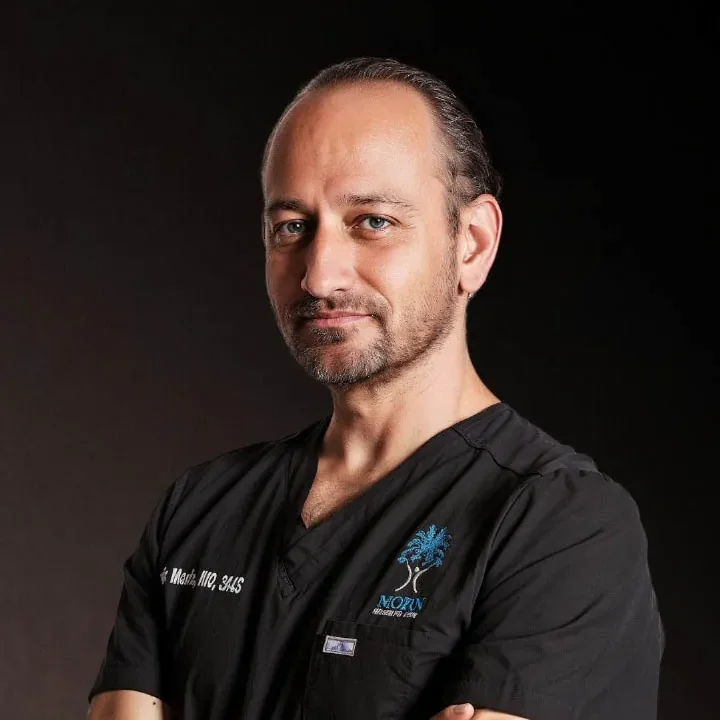
Dr.Babak Moeinolmolki
LA Cosmetic Surgeon Dr. Moein is board-certified by the American Board of General Surgery.